


Latest news
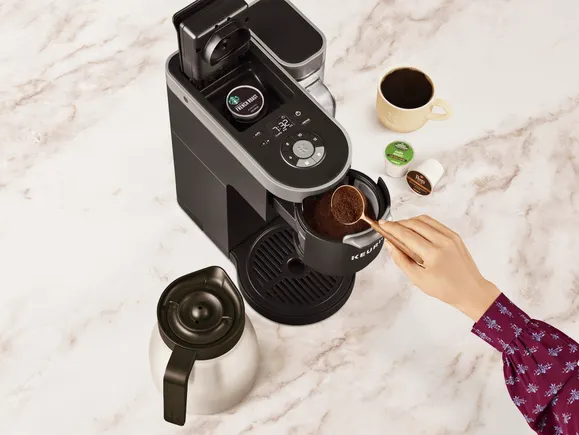
Keurig started with single-cup coffee systems and now continues to grow in the competitive coffee market through innovations in cold drinks and smart technology, but faces challenges such as weak demand.
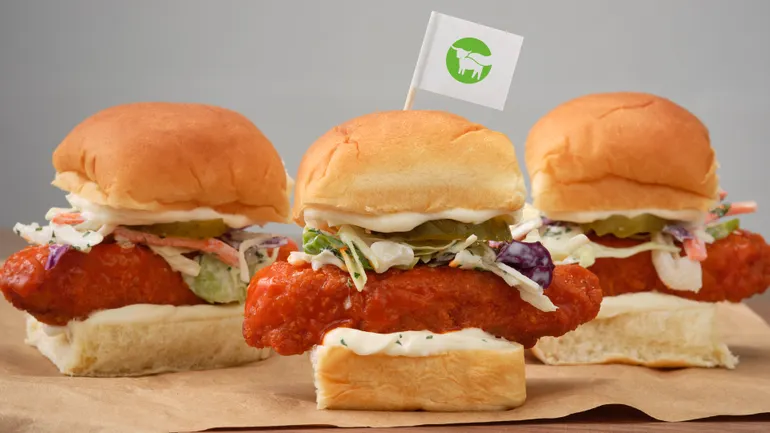
In 2023, the plant-based meat industry experienced a significant sales slowdown, with many companies scaling back innovation or laying off staff. Entering 2024, industry leaders such as Beyond Meat and Impossible Foods are seeking growth through internal adjustments and communication strategy reshaping, while emerging brand Meati Foods attempts differentiated positioning. Analysts point out that the core challenge facing the industry lies in how to win back consumers through inclusive messaging, taste-first strategies, and clear brand narratives.

With growing health awareness, younger American consumers are drinking less, prompting major alcohol companies and emerging brands to accelerate their focus on non-alcoholic and low-alcohol products. In 2024, the beer and wine markets face declines, spirits shift toward premiumization, and non-alcoholic beverages are seen as the industry's biggest disruptive force.
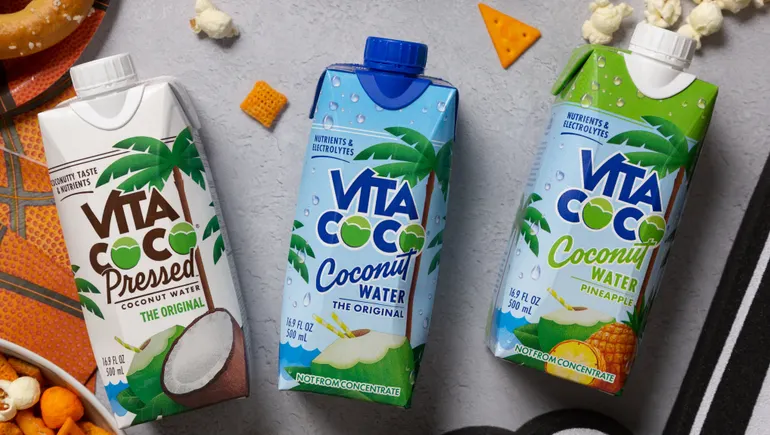
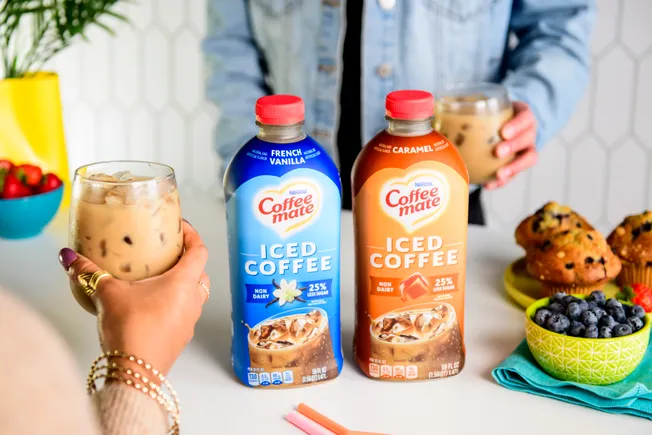
In 2024, large food and beverage manufacturers face challenges such as inflation and consumer fatigue, making innovation key to attracting and retaining consumers. However, the industry's conservative culture, cost pressures, and risk-averse attitudes hinder the pace of innovation. Experts point out that areas such as healthy snacks and convenience foods have great innovation potential, and some companies like Nestlé, Hershey, and Mars have already accelerated their innovation efforts.
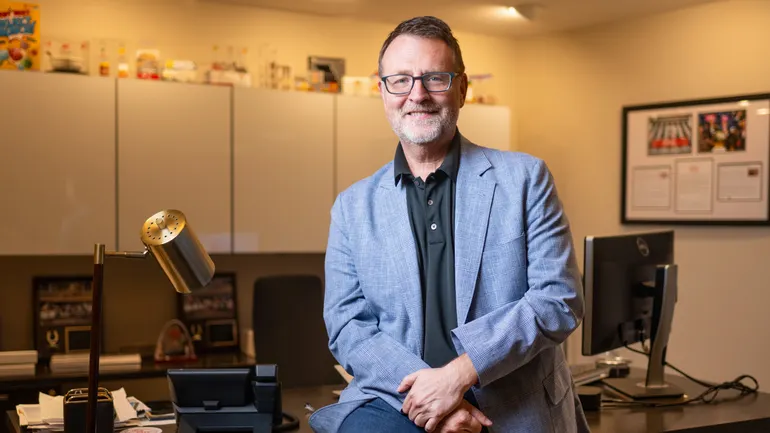
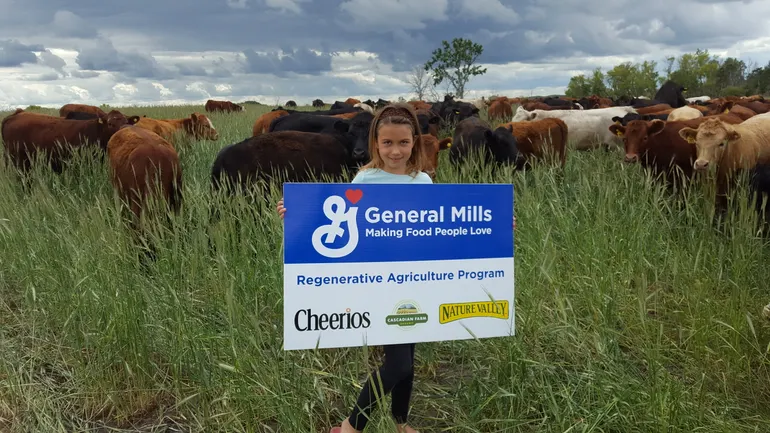
General Mills released its annual sustainability report, reaffirming that regenerative agriculture is the 'most promising solution' to achieve its 2030 goal of reducing emissions by 30%. The company's Chief Sustainability Officer, Mary Jane Melendez, stated that the strategy does not follow a fixed checklist but rather treats farms as living ecosystems. In 2022, the company added 120,700 acres of regenerative farmland, bringing the total to 235,000 acres. Against the backdrop of a lack of industry-wide unified definitions, the company emphasizes a results-oriented approach and declines third-party certification to avoid 'boxing in' its methods.

Since its inception in 1947, Bazooka bubble gum has remained a bestseller 76 years later, thanks to its classic formula and iconic comics. This article explores how it maintains a unique position in the fiercely competitive candy industry through nostalgia strategies, brand innovation, and market adaptation.
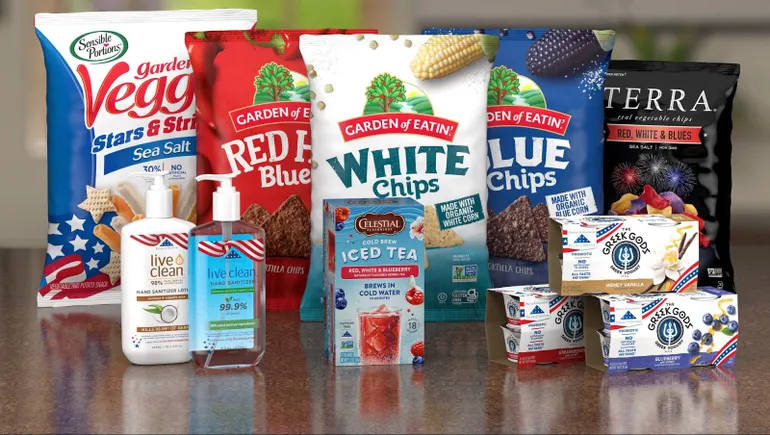
Hain Celestial's new CEO Wendy Davidson is driving growth transformation at this $1.5 billion health food company with a marathon spirit, focusing on three core strategies: innovation, brand awareness, and channel expansion.