


Ingredients
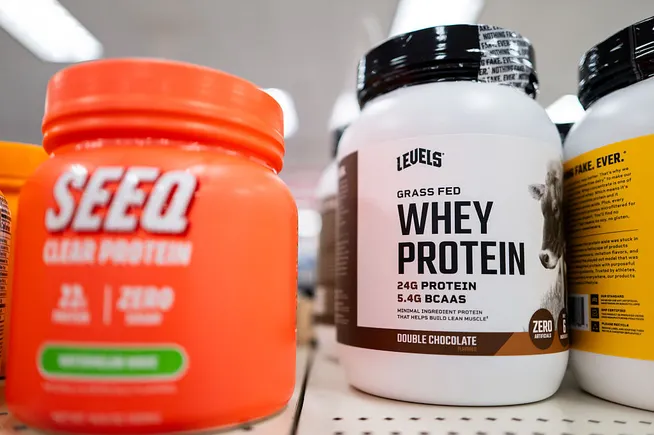
According to Circana's latest US Eating Patterns Report, 48% of American adults are seeking to increase their protein intake, up 7 percentage points from the previous year. Among GLP-1 users, 65% have this demand, and GLP-1 has become the second most common dietary type. The report, based on an analysis of $1.8 trillion in consumer spending and 618 billion eating occasions, shows that protein demand continues to heat up, and food companies are launching more high-protein, less-additive targeted products.
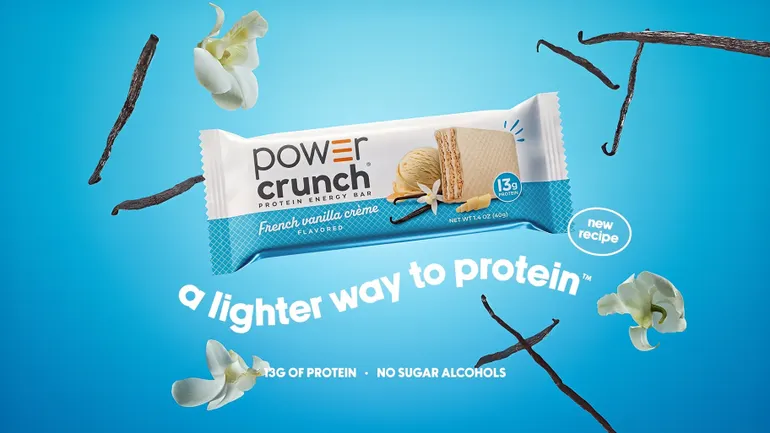
Ferrero is relaunching Power Crunch, a wafer-based protein bar brand it acquired in January last year, with a new formula and packaging. The reformulation rebalances ingredients to improve taste while preserving the distinctive wafer format, based on consumer feedback. The new packaging features more color, updated fonts, and imagery showcasing the product, giving it a more modern identity. Power Crunch is also adopting the slogan 'A Lighter Way to Protein' to highlight its light, crispy texture compared to dense bars. Each bar contains 12-14 grams of protein. Despite strong growth before the acquisition, Power Crunch saw double-digit sales declines in the six months prior to May, according to a Ferrero executive. Ferrero has successfully turned around other acquired brands like Butterfinger and Keebler through recipe and packaging changes, and aims to do the same with Power Crunch.

Sauces are no longer just the "finishing touch" to a meal; their growing popularity has made them one of the strongest vehicles for flavor innovation in the CPG (consumer packaged goods) and foodservice sectors. Data shows that sauce consumption is rising at a +33% compound annual growth rate (CAGR), while about three-quarters of Gen Z actively seek out unique flavors or exotic cuisines. Based on insights from Stéphane Brunel, Global Category Manager for Sauces at Kalsec, this article analyzes how sauces serve as a low-risk innovation platform, current flavor trends (such as complex heat like "spicy + sweet"), and the formulation challenges posed by natural ingredients, while exploring how brands can achieve long-term growth through consistent execution.

The U.S. food industry is facing renewed turmoil over "zero sugar" labeling. After the FDA supported counting allulose as sugar in the Chobani case, brands like Liquid Death and David protein bars have successively faced class actions, accusing their zero-sugar claims of misleading consumers.

Texas Attorney General Ken Paxton initiated an investigation into avocado oil products this week, following a UC Davis study showing that 89% of processed foods labeled as containing avocado oil actually contain other oils. Subpoenas have been issued to PepsiCo's Siete Foods, Kraft Heinz's Primal Kitchen, and Chosen Foods. The investigation will examine whether companies misled consumers through undisclosed use of seed oils, potentially violating state laws.
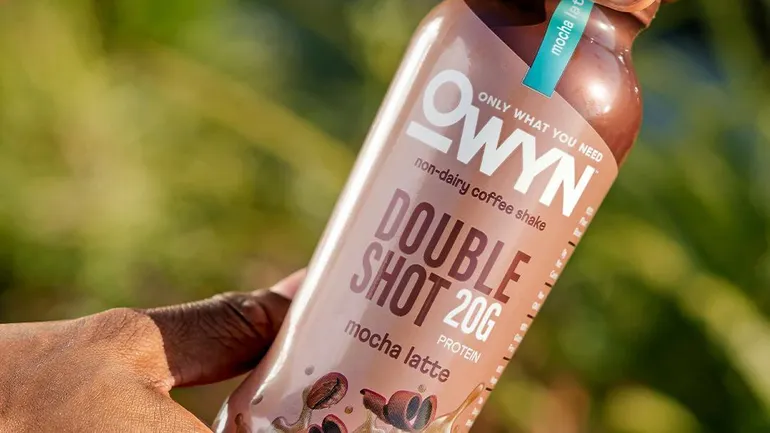
Simply Good Foods faces a class-action lawsuit from investors after the failed integration of its Owyn protein shake acquisition and a switch in pea protein suppliers triggered quality and sales issues, causing its stock to plummet 70%.

Constellation Brands announced a $100 million investment over five years to U.S. farmers to improve profitability for growers of ingredients like barley and hops, and established a farmer advisory council to guide investment directions.
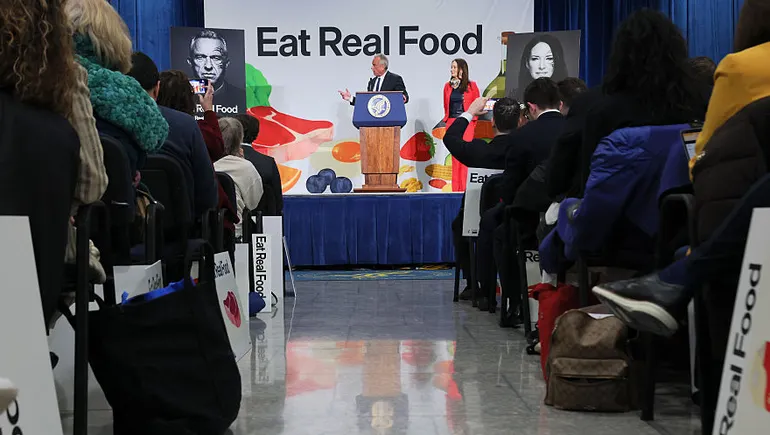
A physicians' group is challenging the Trump administration's 2025 Dietary Guidelines for Americans in federal court, alleging that a panel with industry ties helped draft the guidance, which reversed earlier plant-based recommendations.
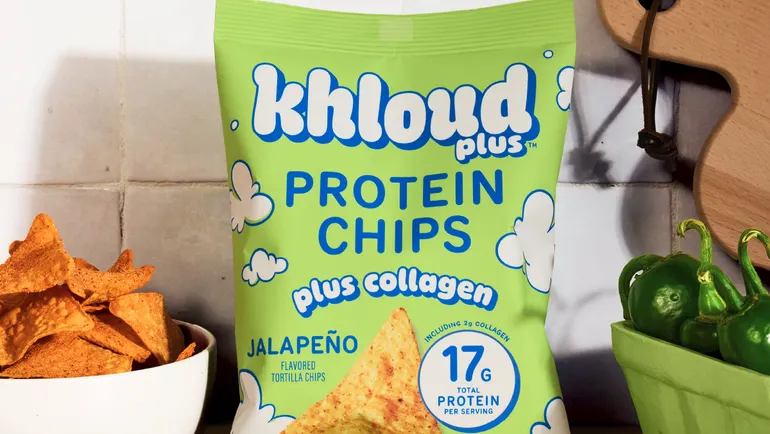
This week's product roundup covers Khloud's collagen protein chips, Hershey's salty snack expansion for Halloween, and McCain's sauce-filled frozen snacks.

The FDA has delayed its definition of ultraprocessed foods, leaving a regulatory gap. Congress is advancing competing bills, states like California have enacted their own definitions, and industry groups warn against unscientific standards. This article examines the current landscape and the push for nutrition-focused approaches.