


Meat & Poultry
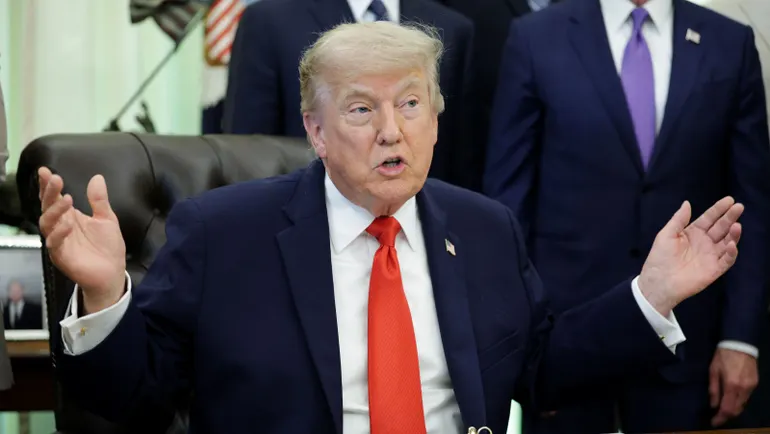
Trump said on social media that he would authorize the drafting of legal documents to allow farmers and ranchers to process their own food, breaking the monopoly of four major meat processors. In beef processing, JBS, Cargill, Tyson Foods, and National Beef control 85% of the market share. The White House has made lowering beef prices a priority before the fall election. Agricultural groups quickly condemned the plan, warning it could weaken global confidence in the safety of U.S. meat supplies.
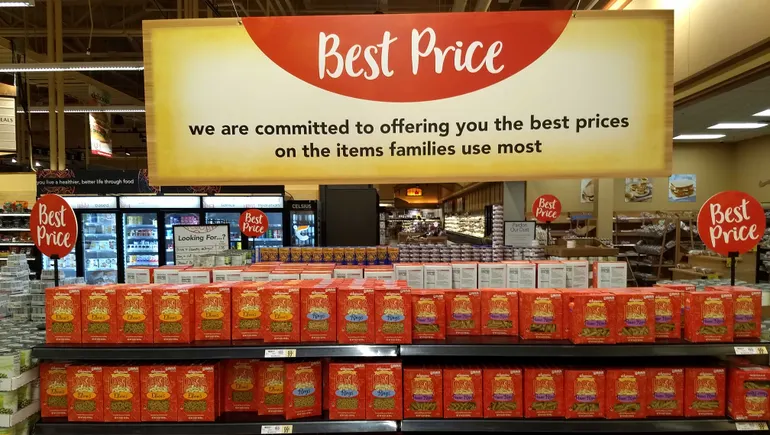
The Acosta report shows that between 2020 and 2026, large grocery prices rose nearly 27%, while median consumer hourly wages grew 29%, yet shopping behavior remains cautious. Traditional economic models may struggle to predict consumer trends, and grocers need to balance both price and value confidence.
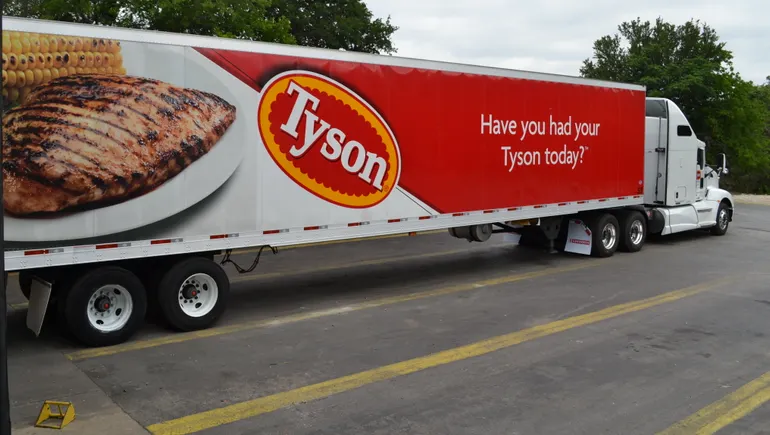
In its latest earnings report, Tyson Foods lowered its full-year profit guidance and acknowledged that high beef prices are unlikely to fall in the short term. The beef division posted an operating loss of $138 million in the third quarter, with sales volume down 15.9% but prices up 12.1%. Despite plant closures and network optimization, industry challenges remain severe. The lifting of the ban on live cattle imports from Mexico may bring improvements after 2027, but it cannot resolve the current shortfall entirely.
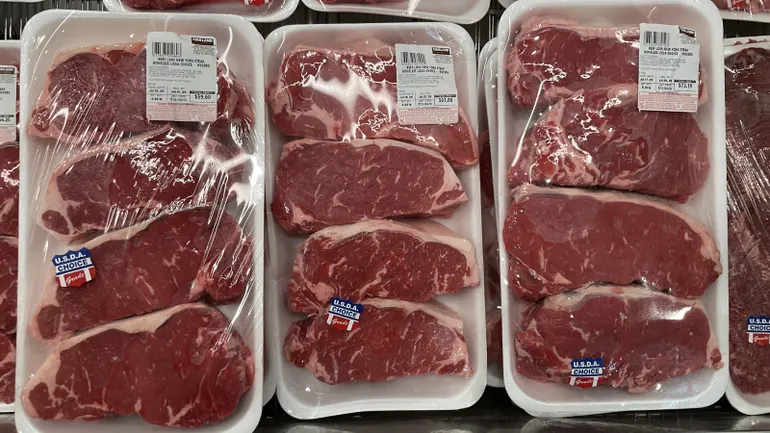
Latest data shows that in June, the volume of fresh and processed meat purchased by U.S. consumers was lower than the same period last year, with processed meats seeing a notable decline. Despite lower sales volumes, meat sales revenue increased slightly due to higher prices. Beef and beef product prices rose nearly 12% year-over-year, driving consumers toward alternative proteins such as chicken and turkey.
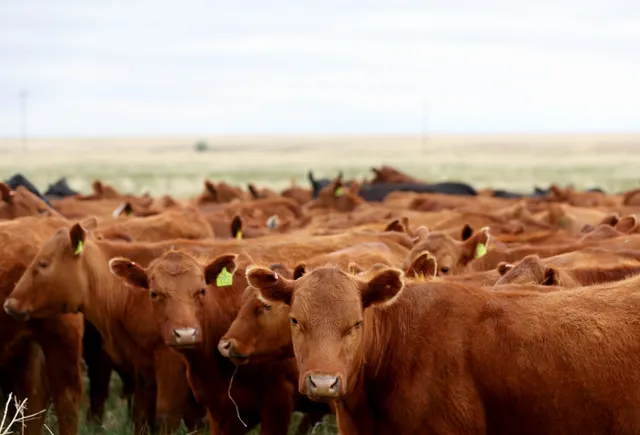
The US Department of Agriculture (USDA) announced on Friday that it will reopen imports of Mexican cattle in phases starting August 24 at three southern border trade ports. This follows a ban imposed in November 2024 lasting over a year, after cases of the deadly New World screwworm were detected. The move aims to ease tight beef supply and high prices in the US. The Trump administration has prioritized lowering beef prices and has launched antitrust investigations into major producers.
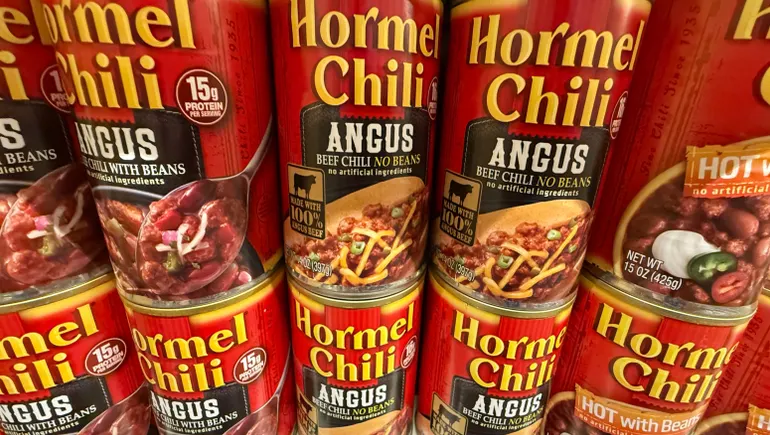
Hormel Foods announced an internal promotion: current President John Gingo will become CEO on October 26, succeeding interim CEO Jeffrey Ettinger. Gingo previously led its organic meat brand Applegate for four years and accumulated 16 years of industry experience at Mondelez International. The company has achieved organic sales growth for six consecutive quarters.
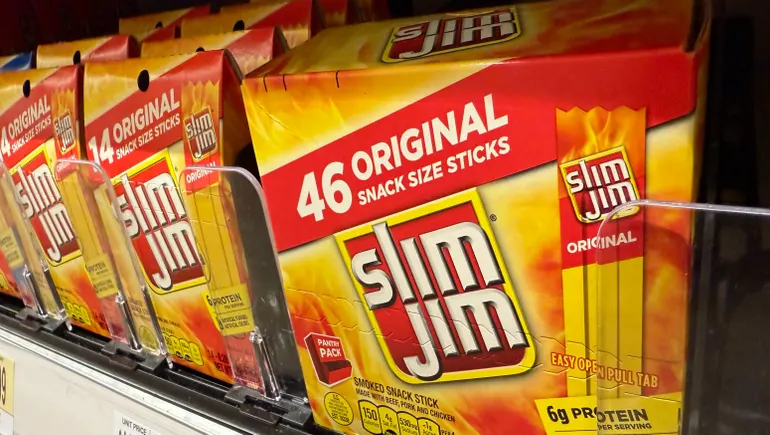
About 45 days into his tenure, Conagra Brands' new CEO John Brase announced a series of 'bold actions,' including halving the dividend, increasing investment in brands and supply chain, and conducting a comprehensive review of approximately 5,500 SKUs and the brand portfolio. The company expects organic net sales to decline by 1% to 3% in fiscal 2027.
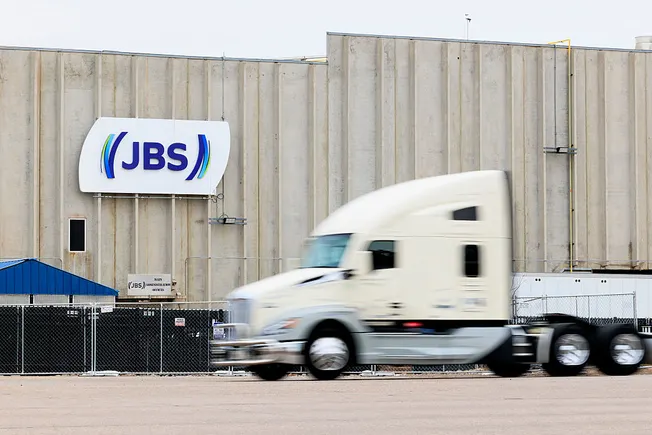
In its sustainability report released on July 8, JBS announced it would abandon its 2040 net-zero emissions target and cancel its Scope 3 reduction goal, shifting focus to direct emissions. The company's chief sustainability officer cited enormous execution challenges. The target had previously been the subject of a lawsuit by the New York State Attorney General, which was settled in November 2025.
Walmart and Sam's Club announced price reductions on summer essentials on Monday, covering categories including groceries, household items, outdoor goods, toys, and clothing. This move comes as the U.S. inflation rate approaches a three-year high, with consumers facing macroeconomic pressures such as high fuel prices. Walmart U.S.'s chief merchandising officer stated that the reductions include thousands of Rollback promotions, with some items discounted by nearly 12%.