


Latest news

In the 2024 election, agricultural policy has become a key battleground for both parties vying for swing states. Harris focuses on combating price gouging and expanding competition, while Trump advocates for tax cuts, deregulation, and strict immigration policies. This article compares their positions on issues such as food inflation, labor, climate, and trade.
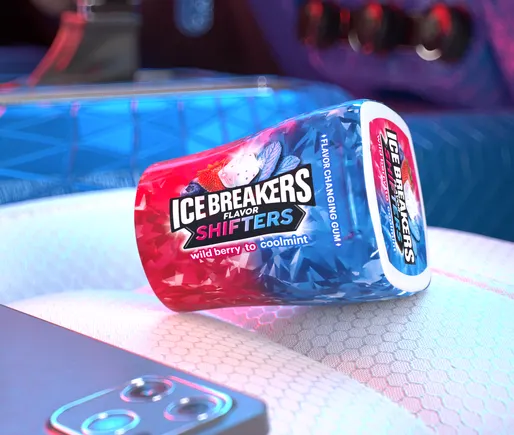
Gum sales declined sharply during the pandemic, and although they have recently recovered, overall consumption trends remain sluggish. To turn the situation around, Hershey has launched new products with flavor variations, Mars Wrigley is cross-industry blending candy flavors, and startup brands are focusing on natural or functional ingredients. The industry is seeking breakthroughs through diversified innovation.
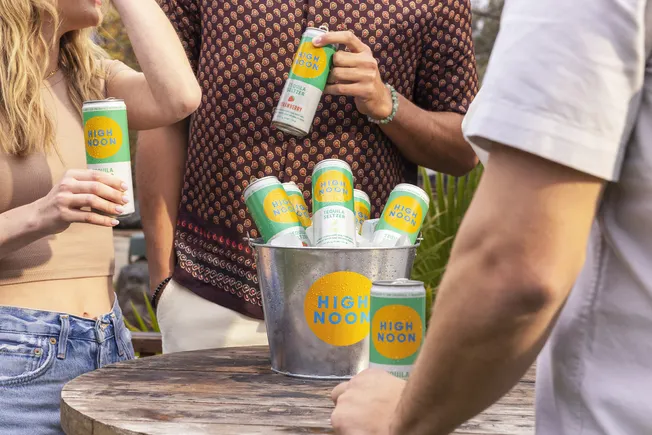
Hard seltzer disrupted the alcohol industry in the late 2010s, and the canned cocktail category it spawned has since expanded to include spirit-based mixed drinks. Industry research institutions and producers are discussing the sustainability of this trend.
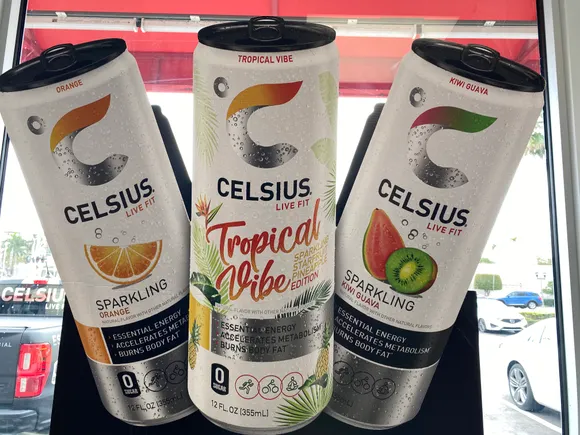
Celsius Holdings has grown from an industry unknown with a market value of $5 million in 2012 to an energy drink giant with annual revenue exceeding $1.3 billion and a market share of about 11%. Its success stems from health-oriented positioning, unique flavor combinations, precise marketing, and category expansion dividends. However, recent data shows that declining consumer purchase intent, slowing category growth, and lack of innovation are now testing the company.
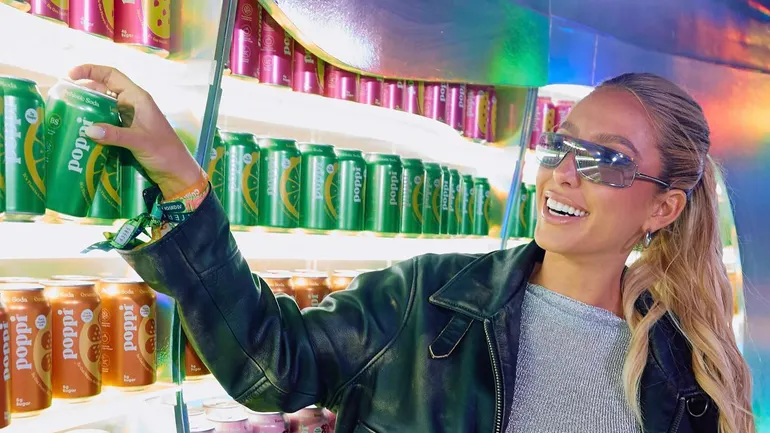
2024 is regarded as a pivotal turning point for influencer marketing. Food and beverage companies are shifting from traditional advertising to deep collaborations with content creators, building brand loyalty through authentic and heartfelt storytelling. This article reviews the successful practices of brands such as Poppi and Olipop, analyzes the controversies and risks in cases like Chobani and Bud Light, and explores how brands can balance creative marketing with compliance boundaries amid stricter FTC regulation.
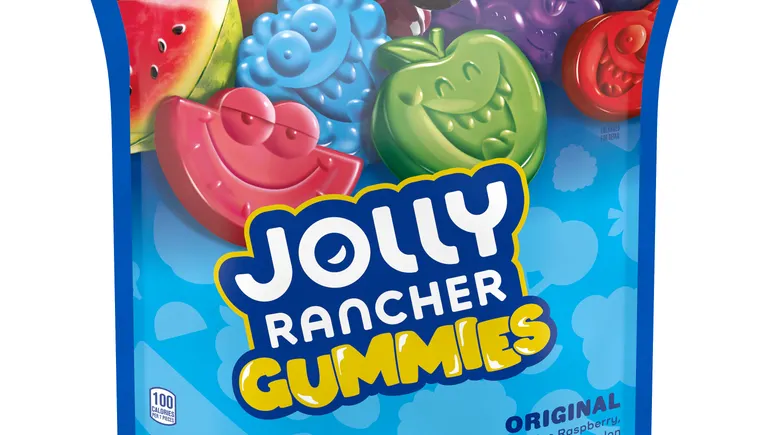
Candy giants double down on the gummy track: strong growth momentum, category innovation becomes key
The gummy category is becoming a growth engine that candy giants are vying to deploy. Companies such as Hershey, Mars Wrigley, and Ferrara are driving the continued expansion of the gummy market through capacity expansion, brand collaborations, and flavor innovation. However, some industry insiders also caution that the gummy craze may carry cyclical risks.
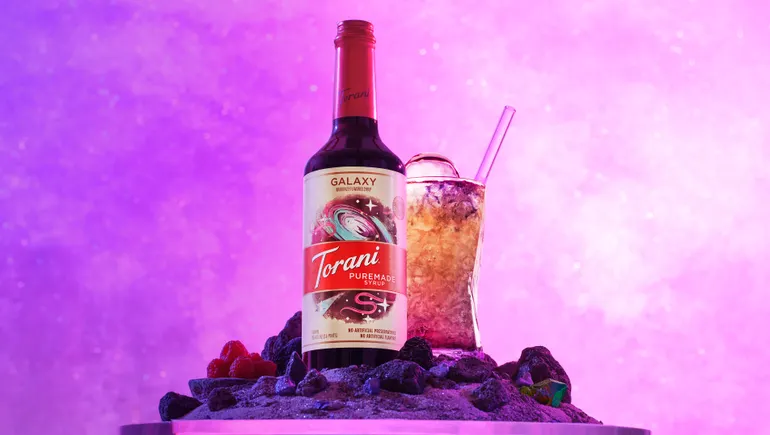
Torani, an established player in the syrup category, is developing new flavors by observing Generation Z's trend of making beverages at home, combined with social media hotspots, changes in foodservice channels, and astronomical events. Its 'Galaxy' syrup launched in 2024 was inspired by a solar eclipse, while annual flavors such as salted egg yolk and roasted black sesame cater to young consumers' preference for 'shareable' experiences. The company's annual revenue surpassed $500 million for the first time, and it is optimistic about growth in energy drinks and functional beverages.
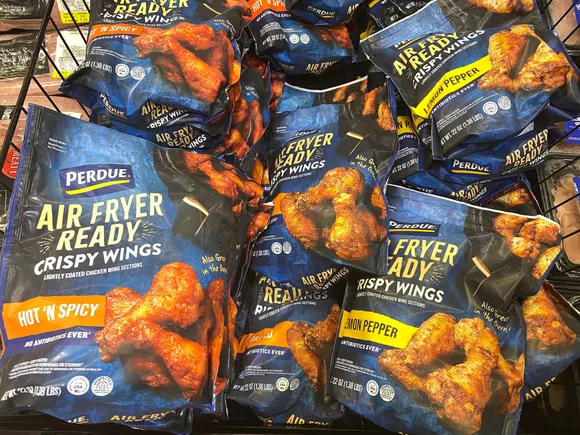
Air fryers have become the fourth most commonly used cooking appliance in American households, with an adoption rate of about two-thirds. Nestle has removed metal crisping sleeves from some Hot Pocket products, while Conagra and others have launched products specifically designed for air fryers, as the industry moves from watching to accelerating deployment.
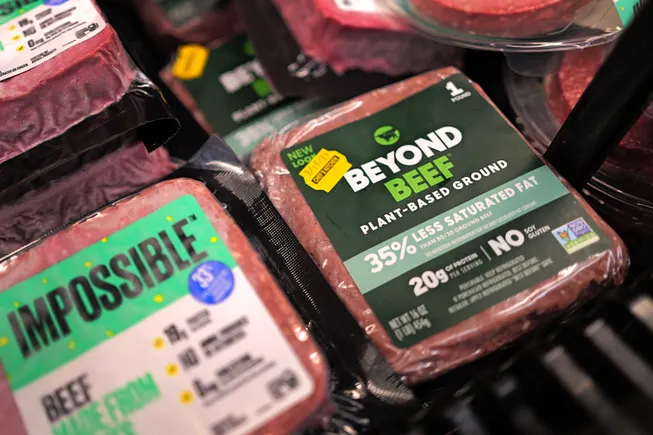
Plant-based meat giants Impossible Foods and Beyond Meat use sustainability as a core selling point, but their commissioned life cycle assessments (LCAs) have been questioned by experts due to a lack of independent verification and ingredient traceability information. Research shows these assessments may overlook indirect emissions from ingredients such as soy and cocoa butter, and industry-funded studies are difficult to replicate. Experts urge brands to disclose transparent data and have assessments conducted by independent institutions.
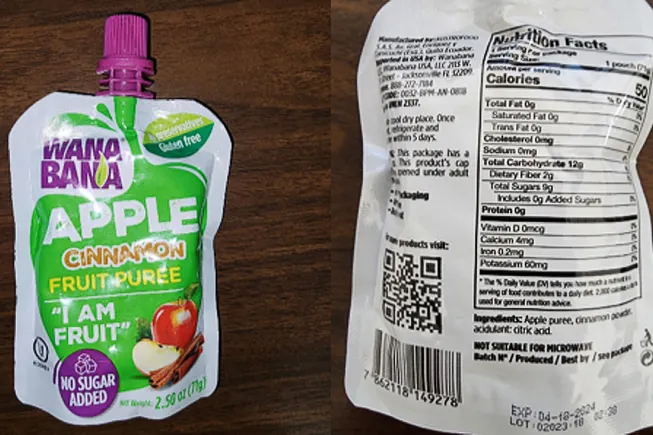
Last fall, children in multiple U.S. states developed lead poisoning symptoms after consuming applesauce from brands like WanaBana. FDA investigation found the contamination source to be Ecuadorian cinnamon processor Carlos Aguilera, whose supplied cinnamon was contaminated with lead during processing. The incident has resulted in 422 poisoning cases and highlighted limitations in FDA oversight of overseas suppliers.