


Innovation
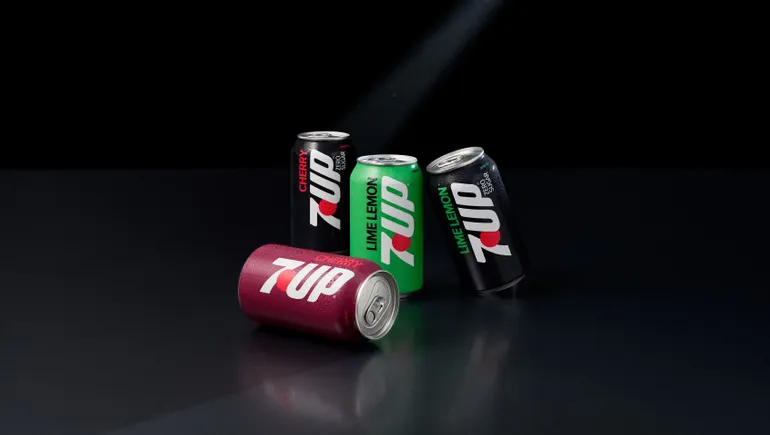
Keurig Dr Pepper announced the largest recipe reformulation of its 7Up brand in 15 years, shifting the product positioning from "lemon-lime" to "lime-lemon" to emphasize lime flavor. The new recipe covers the entire product line, including regular, zero sugar, cherry, and cherry zero sugar, accompanied by a brand visual upgrade. The company claims this is the first lime-led recipe in the category, intended to differentiate competitively and attract younger consumer groups.
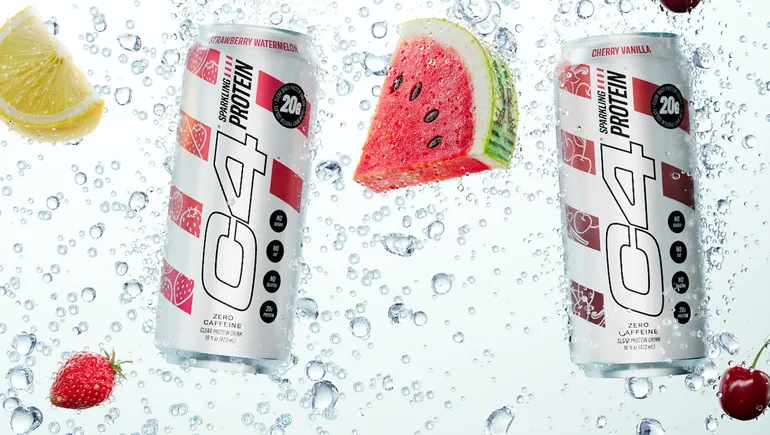
This edition of Leftovers focuses on three new products: C4 Energy introduces a caffeine-free sparkling protein drink featuring 20 grams of protein and a zero-sugar formula; Minute Maid Spiked extends its lemonade line into hard iced tea with 5% alcohol by volume; Mexican juice brand Jumex ventures into protein shakes for the first time, launching a product with 30 grams of protein.
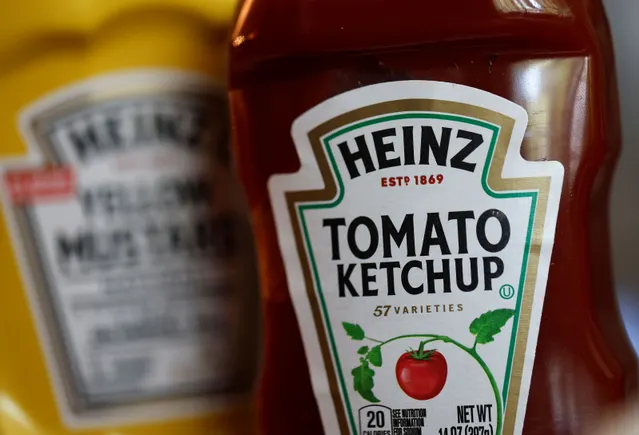
Kraft Heinz announced in its Q2 earnings report an additional investment of nearly $100 million to advance its transformation, with a focus on boosting marketing, raising marketing spending to at least 6% of net sales. The CEO stated that the investment has begun to show results, with the Heinz brand returning to growth, and the company also raised its full-year organic net sales outlook.
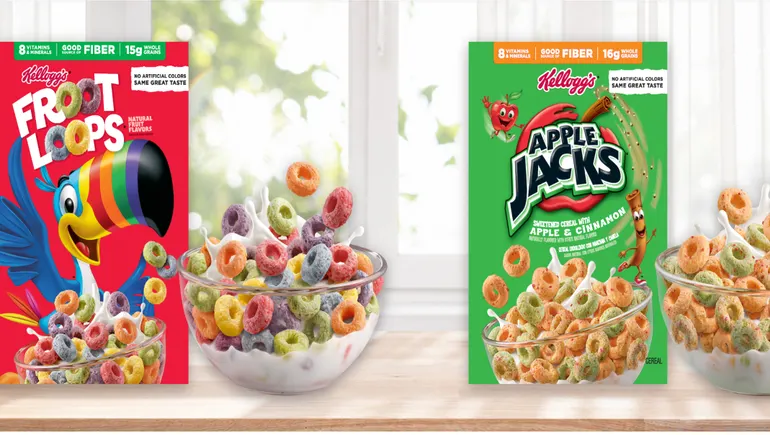
WK Kellogg will complete the removal of artificial colors from its cereal products nearly a year ahead of schedule, covering categories such as Froot Loops and Apple Jacks, which account for approximately 15% of its product portfolio. The company has tested hundreds of alternatives and selected natural color sources such as turmeric and annatto, with shipments to retailers expected to begin by the end of the year. This move is seen as a significant step in response to declining cereal sales and regulatory pressure.
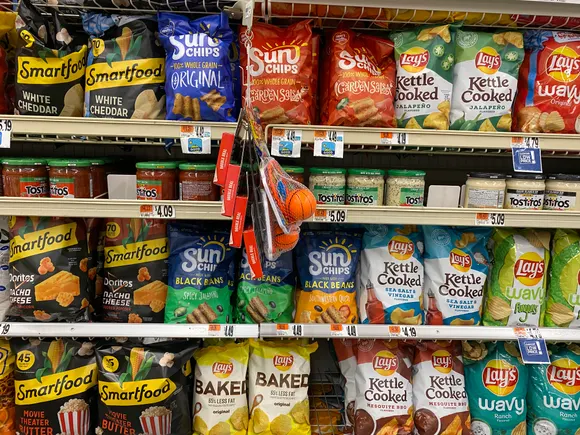
Food e-commerce continues to grow, and DTC (direct-to-consumer) channels are becoming an increasingly important business segment for food giants. Although their revenue is hard to rival traditional retail, DTC provides brands with unique opportunities to test new products, gather feedback, and counter digital-native competitors. Companies like Hershey, PepsiCo, and Beyond Meat have already made moves, and industry data also indicates the potential of this channel.
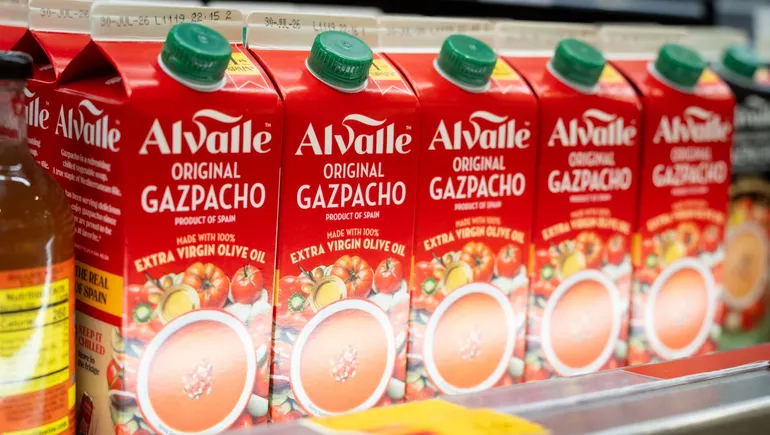
PepsiCo announced it will introduce its Spanish cold soup brand Alvalle to the US, available at select Whole Foods locations. This move aims to meet consumer demand for foods with simple, recognizable ingredients and to expand its presence in the fresh and refrigerated category.
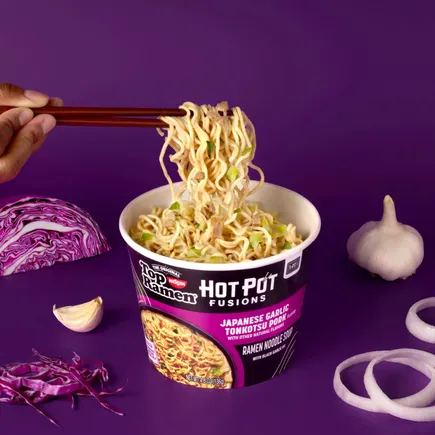
Nissin Foods announced the adoption of Blue Yonder's AI-driven supply-demand planning tool, aimed at improving inventory management, enhancing forecast precision, and cutting costs. This initiative is part of the company's broader digital transformation strategy and is expected to strengthen customer collaboration capabilities.
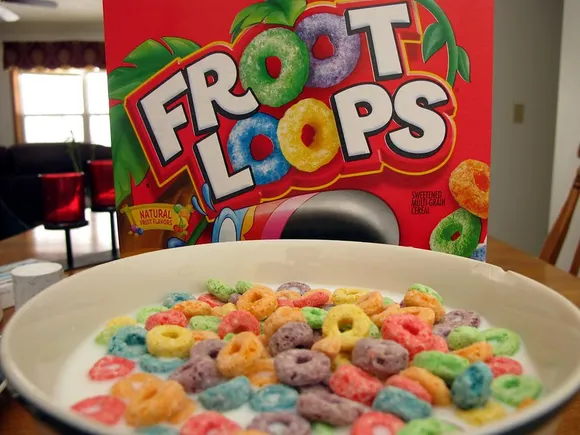
Facing sustained pressure in center store sales and shifting consumer breakfast habits, WK Kellogg announced the reintroduction of in-box toys in Frosted Flakes and Froot Loops, featuring Toy Story 5-themed playable spoons. Industry analysts note that this move targets millennial and Gen X parents rather than children themselves. Brand strategists believe that physical toys can convey authenticity and nostalgic value amid digital fatigue, but without quality and meaning, they may also backfire on brand trust.
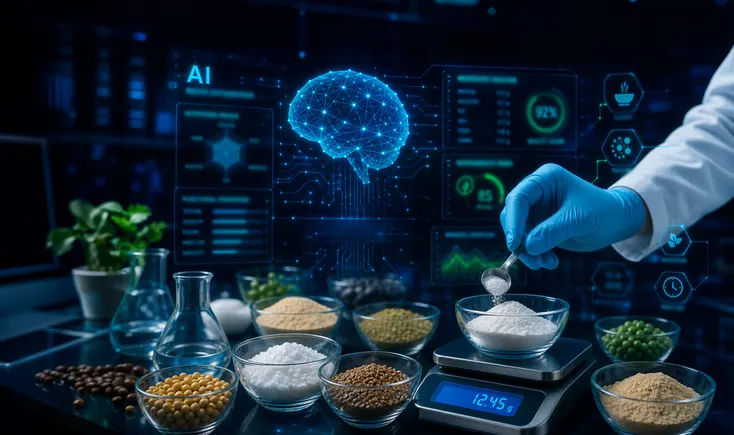
Food formula research and development often falls into rework due to key information being discovered too late. By integrating enterprise data and constraints, AI helps scientists screen better solutions before experiments, elevating AI from a tool to a true collaborative R&D partner.

For a growing number of beverage manufacturers, it is no longer market demand but water resources that limit output. This article analyzes how water reuse shifts from a sustainability measure to a growth strategy, and explores three key factors: water as a strategic production asset, food safety as a priority, and reuse planning that starts with business strategy rather than treatment technology. The article also mentions the Water Reuse Action Plan 2.0 (WRAP 2.0) released by the U.S. EPA on April 16, 2026.