

Latest news
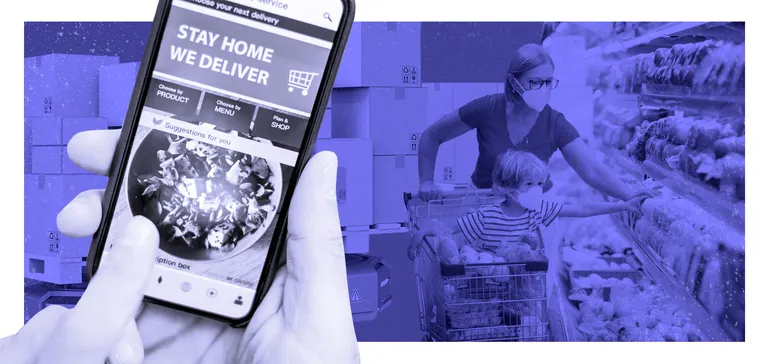
As the United States gradually emerges from the shadow of the pandemic, large packaged food companies are betting that home consumption habits formed during the pandemic will endure. This article reviews strategic adjustments by companies such as Conagra, Kellogg's, and Coca-Cola, and cites multiple analysts' perspectives to explore growth opportunities, data investments, challenger brand competition, and inflationary pressures.
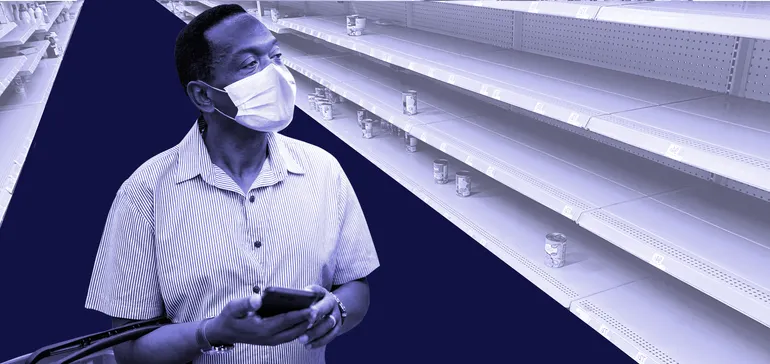
The COVID-19 pandemic disrupted daily life but unexpectedly boosted the food and beverage CPG industry. From emptied supermarket shelves to a revival of home cooking, CPG demand has remained high, ending years of stagnant growth in the industry. Food Dive launches a four-part series analyzing the lasting impact of the pandemic on the food and beverage business.
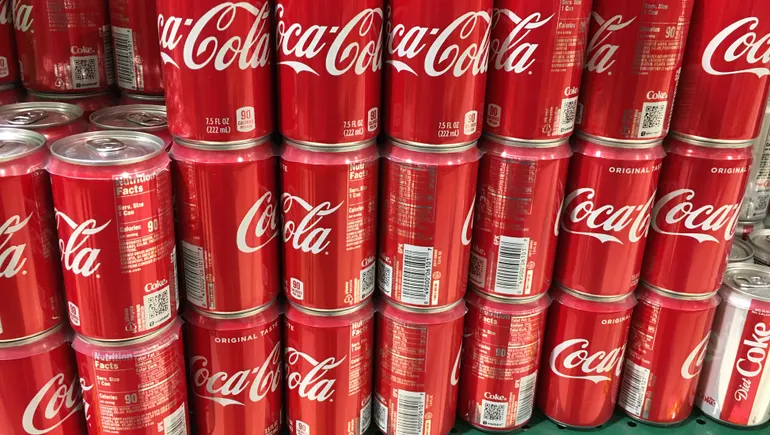
Harrington Investments, a small California-based investment firm, is engaged in a proxy contest with PepsiCo and Coca-Cola over transparency regarding the health impacts of sugary drinks. The firm is demanding that both giants disclose relevant information through independent reports, focusing on beverages marketed to children and young consumers. Votes will take place in April and May, and while support is low, it is trending upward, reflecting heightened attention to ESG issues among shareholders.
In 2020, the COVID-19 pandemic brought most industries to a standstill, yet unexpectedly fueled explosive growth in the food and beverage sector. Overall industry sales rose by 12%, with some companies seeing quarterly revenue increases of up to 38% year-over-year. However, this growth did not materialize out of thin air—it came amid severe supply chain disruptions, the failure of efficiency-first strategies, and permanent shifts in consumer behavior. This article examines how the pandemic reshaped the growth logic of the food industry and reveals the divergent fates of large corporations, challenger brands, and private labels in this transformation.

The COVID-19 pandemic led to a surge in sales for U.S. food companies, but not all benefited. By comparing financial data from eight quarters before and after the pandemic, this article analyzes sales changes across companies and points out that some firms suffered losses due to pandemic-related factors.