


Latest news
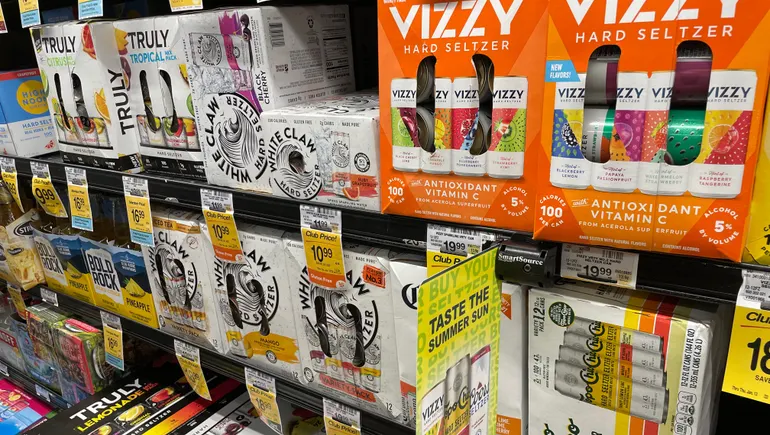
Boston Beer Company warned last month that demand for its hard seltzer brand Truly was overestimated, sparking concerns about a category decline. But analysts point out that this is more a forecasting error than the end of the category, and hard seltzer still has long-term growth potential, despite intensifying competition and slowing growth.
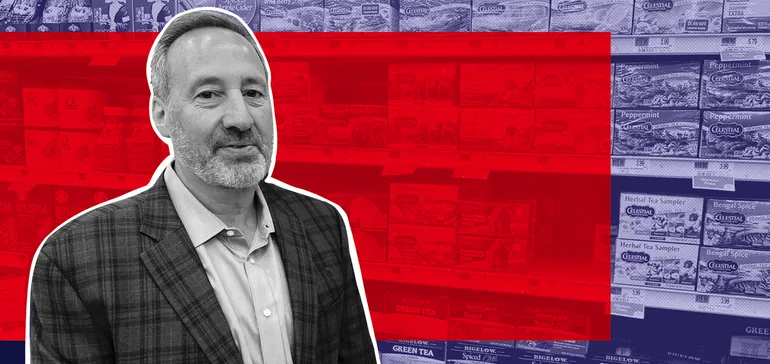
This article is the second in a two-part series, focusing on the transformation of Hain Celestial under the leadership of Mark Schiller, a veteran in the consumer goods industry. With his sense of humor, pop culture savvy, and business acumen, Schiller has led the company out of difficulties, achieving significant improvements in profits and stock price.
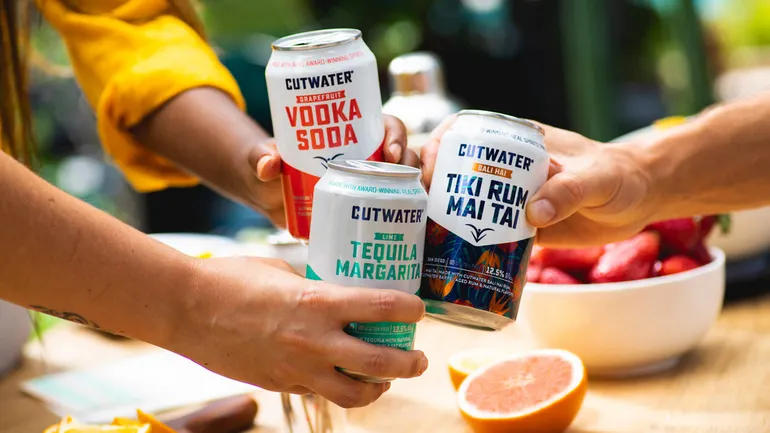
Canned cocktail sales surged 86.8% during the pandemic, but the market has become saturated post-pandemic, putting brands at risk of a shakeout. Marketing experts suggest that brands should strengthen identity recognition, precisely reach millennials, and leverage digital channels and cross-industry collaborations to stand out among numerous competitors.
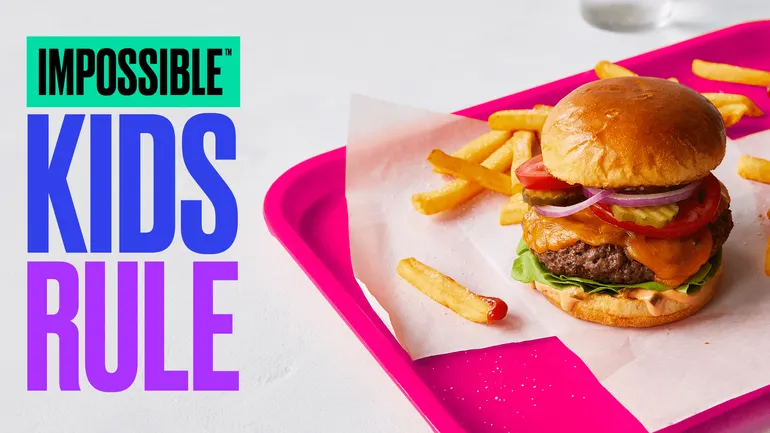
Impossible Foods founder Pat Brown has been committed to educating children about the environmental value of plant-based foods since 2014. Recently, the company systematically introduced its products into campus dining by obtaining the USDA child nutrition label, launching climate conversation guides for young people, and publishing related research reports, while leveraging educational content to spark younger generations' interest in sustainable diets. These initiatives aim to lower the barriers for schools to adopt plant-based meat while cultivating Gen Z's awareness of climate impact.
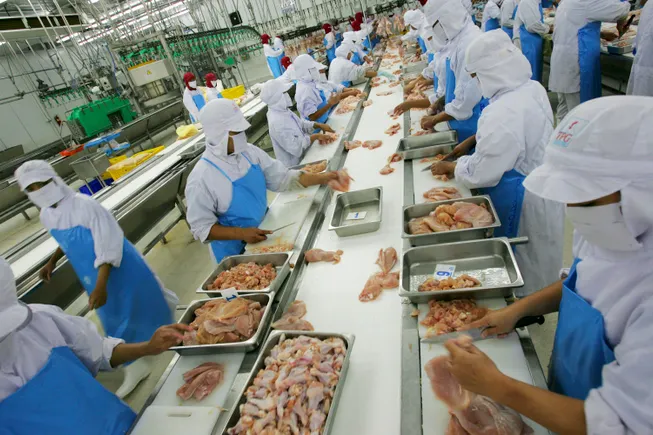
US meat processors are encountering labor shortages amid the post-pandemic economic reopening. Some Tyson Foods plants are understaffed, with the company piloting new shift schedules and enhancing benefits; companies like Sanderson Farms acknowledge hiring difficulties. The industry faces approximately 93,000 job vacancies overall, and while companies alleviate pressure through pay raises and automation, challenges remain severe.
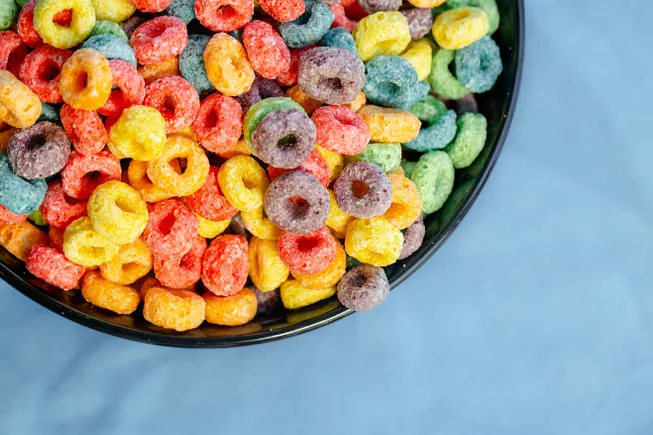
Between 2015 and 2016, food giants such as Mars, General Mills, and Kellogg's pledged to remove artificial colors from their products, but most did not meet their deadlines. Consumer acceptance of products with natural colors, technical challenges, and cost issues have become major obstacles. Meanwhile, a California study suggesting that artificial colors may affect children's behavior could spark new regulatory discussions.
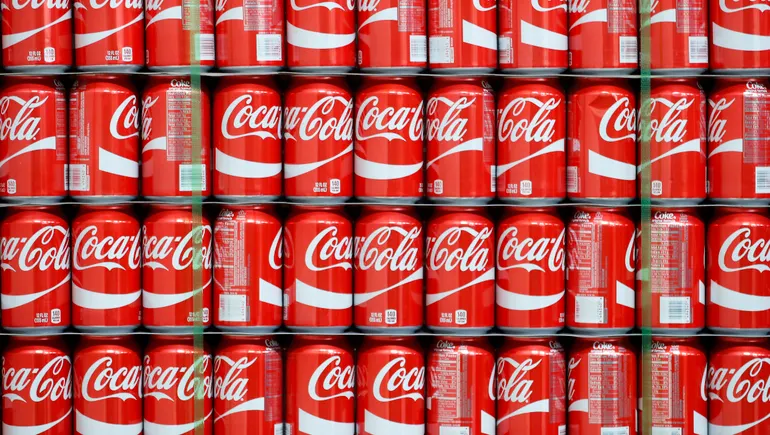
Under inflationary pressure, food and beverage manufacturers are passing on rising costs in packaging, transportation, and raw materials to consumers, with several major companies having announced price hikes or signaled future increases.