


Latest news
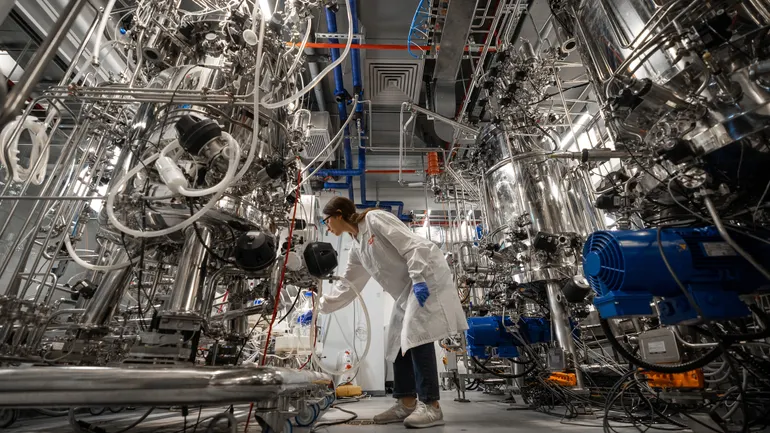
Food tech moving from the lab to consumer markets faces capital as a key bottleneck. Based on an analysis of funding cases from companies such as Upside Foods and Perfect Day, as well as industry experts' insights into pilot-scale costs and commercialization timelines, this article reveals the core role and potential risks of capital in the expansion of food tech.
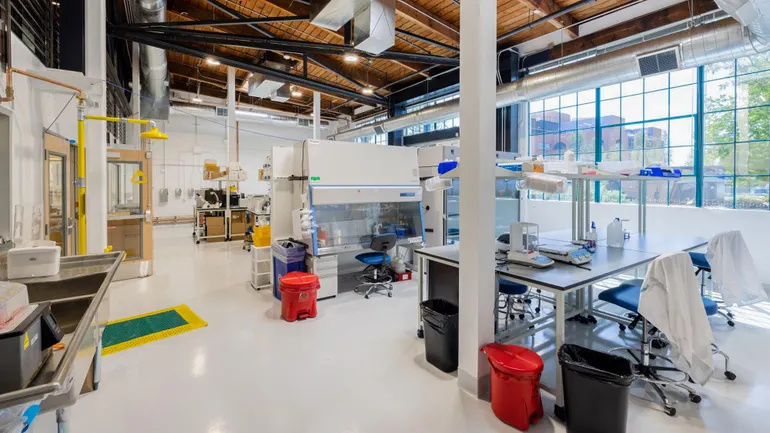
Food tech companies are undergoing a transition from laboratory R&D to scaled-up production. Companies represented by Finless Foods and Eat Just, while expanding capacity, need to address challenges such as facility bottlenecks, organizational culture shifts, and food safety regulation. Experts point out that this process is not only a technical issue but also an organizational and psychological leap.
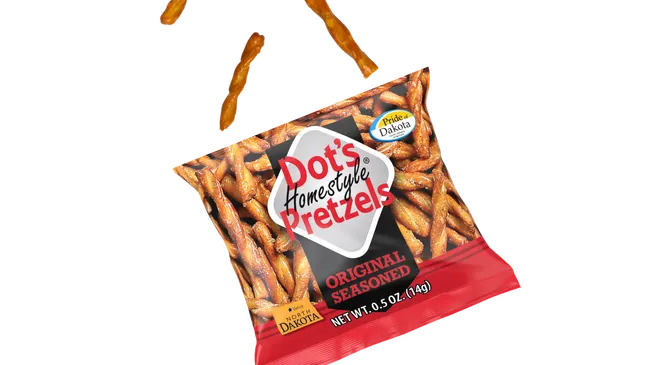
Facing supply chain disruptions and labor shortages, FMCG companies such as Hershey and Hormel are rapidly boosting capacity and gaining control over key processes by acquiring factories. Based on insights from multiple executives and industry experts, this article examines how acquiring manufacturing assets has become a key strategy to navigate uncertainty, while also highlighting the challenges and risks involved.
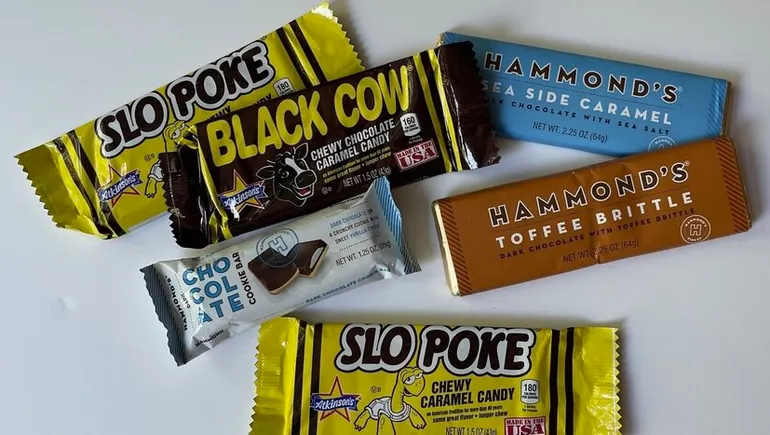
Small candy manufacturers in the United States are facing multiple challenges including labor shortages, supply chain disruptions, and rising raw material costs. Companies like Atkinson Candy have seen sales growth but halved their workforce, with delivery times extending from two weeks to three months. Businesses are forced to procure materials in advance, adjust recipes, pass on costs through price increases, and intensify recruitment efforts. Industry experts point out that although small businesses are hit harder, they can still find ways to survive by leveraging their flexibility and advantages in low-cost products.

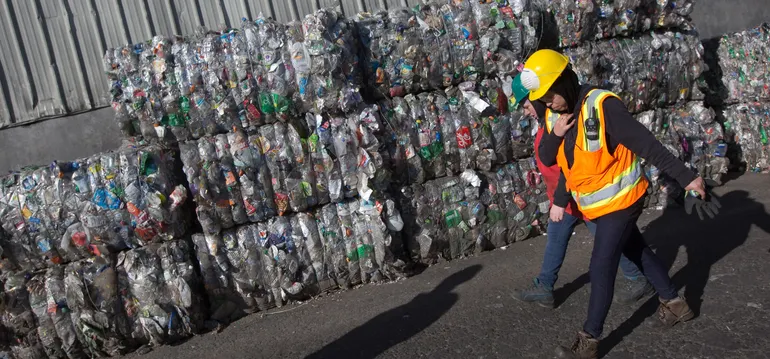
Over the past two years, food giants such as Keurig Dr Pepper, PepsiCo, and Mondelēz have set goals to cut virgin plastic packaging, but the pandemic, extreme weather, the Russia-Ukraine conflict, and structural deficiencies in the U.S. recycling system have led to insufficient supply of recycled materials and sharp price volatility. Experts point out that some commitments lack a foundation for realization and are difficult to fulfill in the short term. Alternative materials like paper also face rising costs, while high energy prices and decarbonization pressures are reshaping the industry landscape.
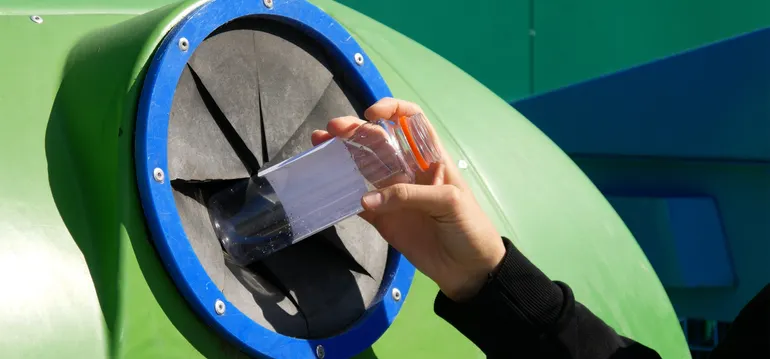

The food and beverage industry is accelerating its transition to sustainable packaging to tackle the challenge of plastic pollution. UN data shows that global plastic waste increased from 2 million tons in 1950 to 348 million tons in 2017, with projections to double by 2040. Giants like Nestlé and PepsiCo have committed to making 100% of their packaging recyclable, reusable, or compostable by 2025. In recent years, Kraft Heinz, Molson Coors, Chobani, and others have introduced paper-based alternatives. Consumer interest and pressure from activist investors are jointly driving this trend, and this tracker will continue to update related innovations.

As consumer interest in sustainability and natural foods grows, spirulina, as a nutrient-rich microalgae, is gaining attention in the food industry. Several startups, including Gavan, Back of the Yards Algae Sciences, Ful Foods, and We Are The New Farmers, are working to develop new applications for spirulina, such as natural blue pigments, umami enhancers, plant-based meat ingredients, and healthy beverages, to overcome challenges like its bitter taste and color instability, and to expand the market.