
Latest news
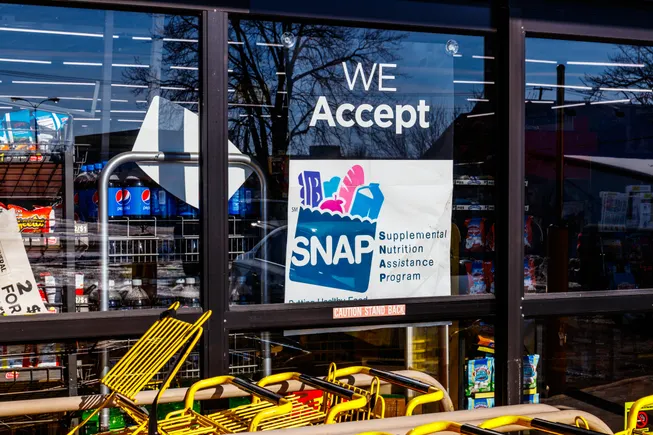
With the One Big Beautiful Bill signed by U.S. President Trump taking effect, the Supplemental Nutrition Assistance Program (SNAP) undergoes major adjustments, including tightened eligibility requirements, $186 billion in funding cuts, and multiple states approved to exclude items such as candy and soda from SNAP coverage. Industry experts analyze that these changes will lead to reduced participation, declining sales for grocers, and issues such as cross-state shopping and increased administrative burdens.
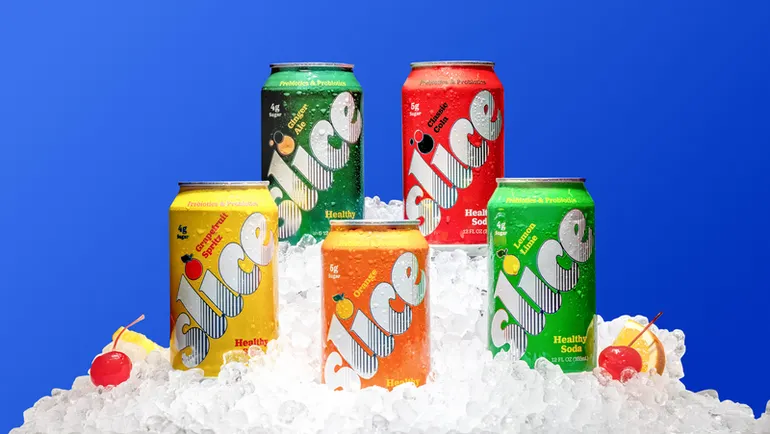
Facing extremely high failure rates in the new product market, companies like Suja Life, Jumex, Leaf Brands, and Redcon1 are re-entering the market by relaunching discontinued brands such as Slice, Odwalla, Hydrox, and Jolt, capitalizing on their existing recognition and nostalgic appeal. However, experts point out that reviving brands requires balancing the expectations of loyal old customers with attracting new consumer segments, and successful cases remain rare.
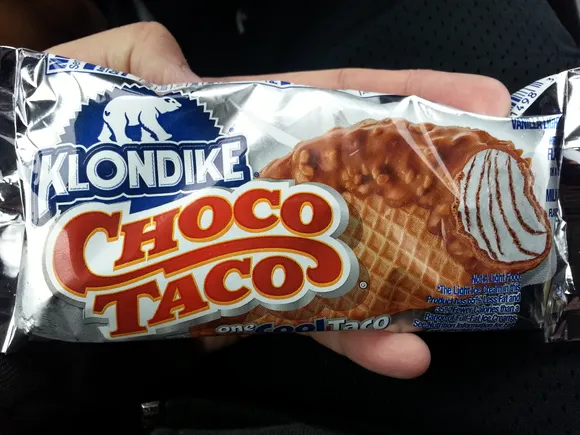
From Fruit Stripe gum to Choco Taco, many classic snacks that have accompanied consumers for years have been discontinued or seen quality decline due to consumption trends, inflation, and regulatory pressure. This article dissects the three major threats facing brands and proposes response strategies.
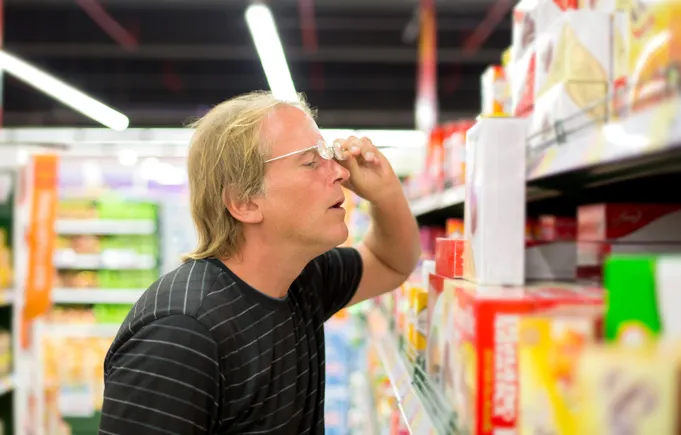
As uncertainty over the Trump administration's tariff policies intensifies, retailers face the risk that the "cost-plus" formula fails in pricing. With consumers becoming more price-sensitive, companies must weigh whether to pass on costs, adjust product assortments, or adopt AI pricing tools. Low-price commitments by giants like Walmart may set the industry trend, while supplier negotiations and transparent communication become key to mitigating the impact.
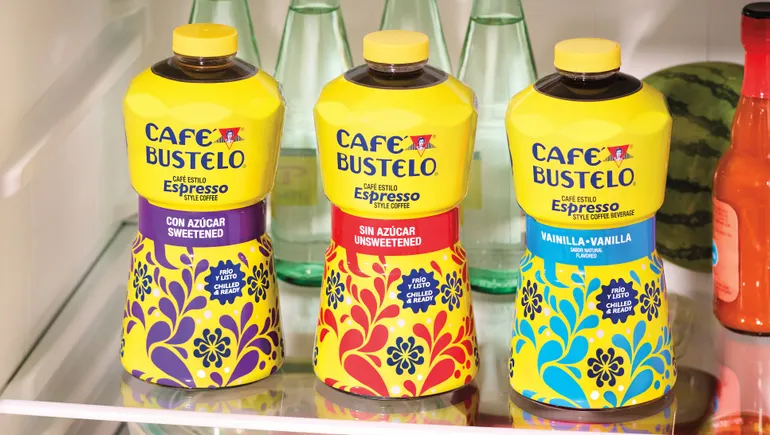
As consumer habits evolve, food and beverage giants such as J.M. Smucker, Nestlé, and Kraft Heinz are extending established brands into new supermarket categories—from refrigerated coffee to shelf-stable mac and cheese. This article explores the drivers, success factors, and potential risks of brand extension, citing insights from several industry executives.
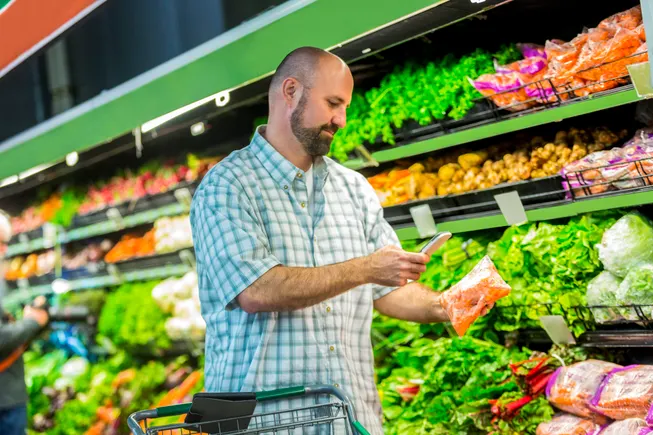
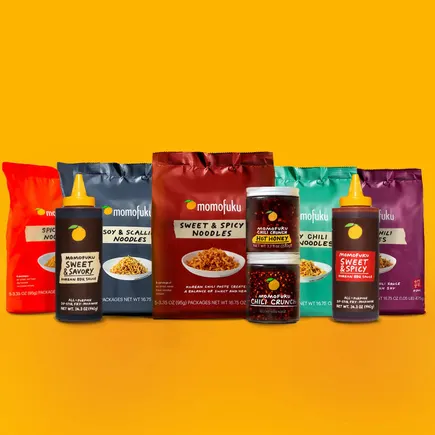
During the pandemic, high-end restaurants transformed their signature dishes into retail products to survive. Now, brands like Carbone and Momofuku are expanding revenue through supermarket channels, capturing the premium food market.
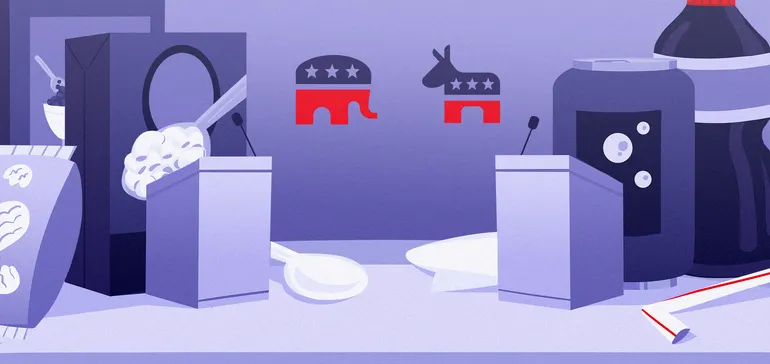
A Food Dive analysis shows that as of September 22, political donations linked to the 15 largest US food and beverage companies totaled $4.5 million, compared to $8.2 million in the same period in 2020. If the trend continues, it would mark the lowest level for a presidential election cycle since 2008.
Agribusiness political contributions in the 2023-2024 election cycle have reached $124 million, with Tyson Foods affiliates investing $886,000, about 80% of the total for the full 2020 cycle. Lobbying spending increased by 22% compared to 2019, setting a record of $178 million in 2023. Experts warn that financial advantages are squeezing the survival space of small and medium-sized organizations and reform agendas.