


Latest news
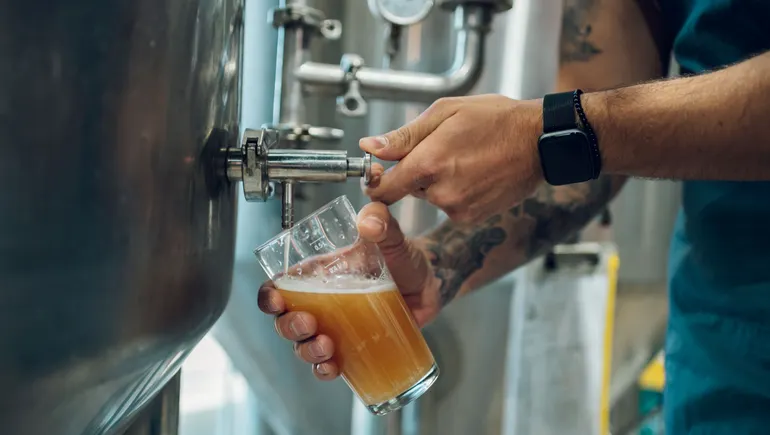
The flavored beer market is growing rapidly, but the addition of non-traditional ingredients such as clam juice and lactose poses selection challenges for vegetarians, vegans, and allergy sufferers. Rabbi Moshe Elefant, Chief Operating Officer of OU Kosher, points out in an article that kosher certification, due to its strict prohibition of mixing meat and dairy, clear labeling of dairy and meat ingredients, and exclusion of insect-derived ingredients, highly overlaps with various special dietary needs. Data shows that kosher products average 20% higher sales than non-certified products, with over 12 million consumers purchasing kosher products annually nationwide. Currently, nearly 1,000 beers and breweries have received kosher certification, and the certification process typically requires no changes to production processes for breweries using compliant ingredients.
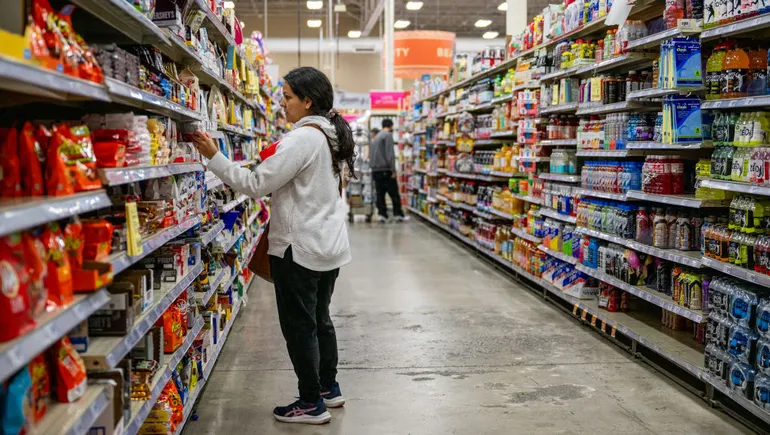
In 2026, food and beverage companies need to address consumers' contradictory psychology of pursuing both health and craving convenience and indulgence. Industry giants are adjusting their product portfolios through M&A and innovation, while facing pressure from the Trump administration and the 'Make America Healthy Again' movement on ultra-processed foods. Based on Food Dive's observations, this article summarizes five major trends: the rise of novelty flavors, active M&A, alcohol innovation to counter declining sales, health and policy leading consumption directions, and the indulgent expression of healthier beverages.
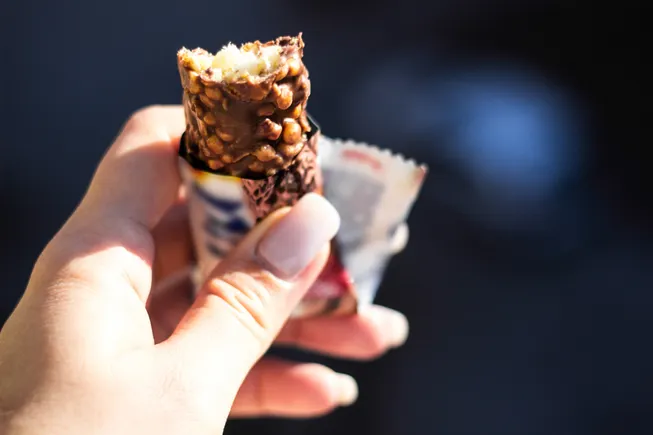
In the past, "taste first" was the golden rule of the sensory world, but today consumers care more about whether a product aligns with their health goals. McKinsey surveys show that over 70% of consumers want to be healthier, and many accept taste compromises in exchange for benefits. Curion's nationwide study found that 62% of functional soda buyers choose products as a healthier alternative, 55% value low sugar, and 54% prefer natural ingredients. Consumers perceive flavors like "less sweet" and "herbal" as health signals, creating a "health halo." Brands need to compare functional products with similar items, not indulgent snacks, and measure "why they like it" rather than "how much they like it."
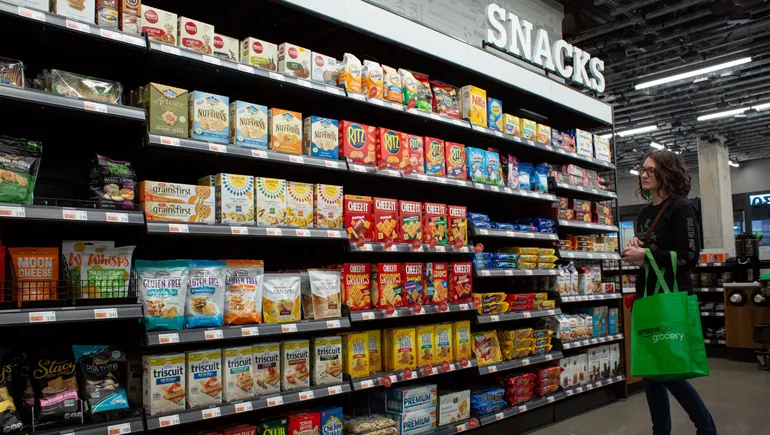
San Francisco's lawsuit against packaged food companies should not be taken lightly. Although courts have previously dismissed related lawsuits multiple times, the rise of the 'ultra-processed food' concept and the upcoming official FDA definition may provide new grounds for legal actions against the food industry. If 'food addiction' is not proven, this litigation strategy may collapse.

Nostalgic flavors are becoming a core driver in the food industry. Innova data shows that 85% of consumers are influenced by familiar tastes, with coffee, chocolate, and caramel leading the way. Scientists and brands are using flavor chemistry, AI modeling, and healthier improvements to preserve memory-evoking tastes while meeting modern demands.
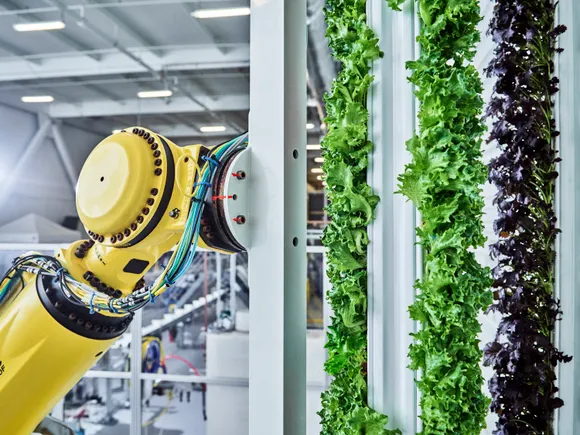
After approximately $8 billion in investments, valuation bubbles, and numerous bankruptcies, the era of 'easy money' in food tech investing has ended. Drawing on over 20 years of industry experience and reviews of more than 50 deals, the author analyzes failure patterns in vertical farming and insect protein, identifies sustainable paths through specialty ingredients, data applications, and evidence-based nutrition, and argues that the climate crisis and regulatory shifts are bringing structural opportunities to the industry.
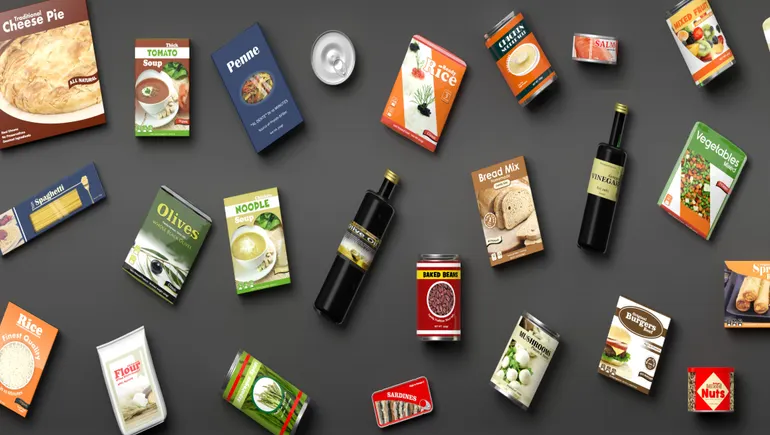
Packaging in the food and beverage industry is shifting from an afterthought to a strategic priority. Companies such as B&G Foods, Conagra Brands, and Suja Life are investing heavily in optimizing packaging to attract consumers and boost sales. However, packaging changes also carry risks, as seen in the failures of Tropicana and Sun Chips. This article delves into the opportunities and challenges of packaging innovation.
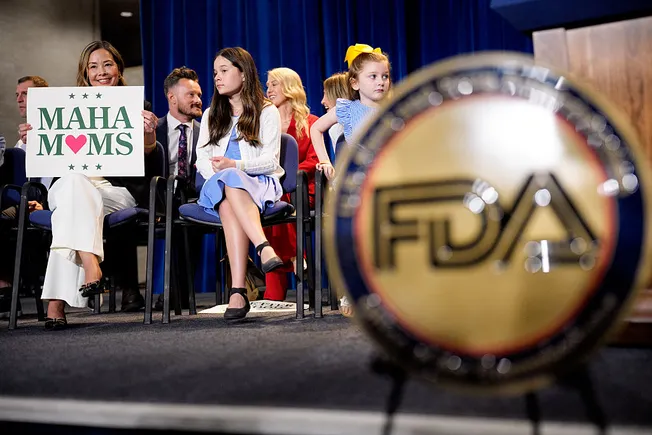
U.S. Secretary of Health and Human Services Robert F. Kennedy Jr. (RFK Jr.) and his 'Make America Healthy Again' (MAHA) campaign identify packaged foods as a major driver of chronic diseases such as obesity, diabetes, and hypertension, and are pushing a series of regulatory measures. However, former food industry executive Sean McBride argues that these policies lack scientific basis and could impose high costs on businesses and consumers with minimal results. Citing recent polls, he notes that 35% of Americans blame the food industry for chronic health issues, but the food supply has undergone dramatic changes over the past 25 years, with healthier choices more abundant than ever. The article questions the effectiveness of government intervention and calls for attention to the real drivers behind consumer behavior.
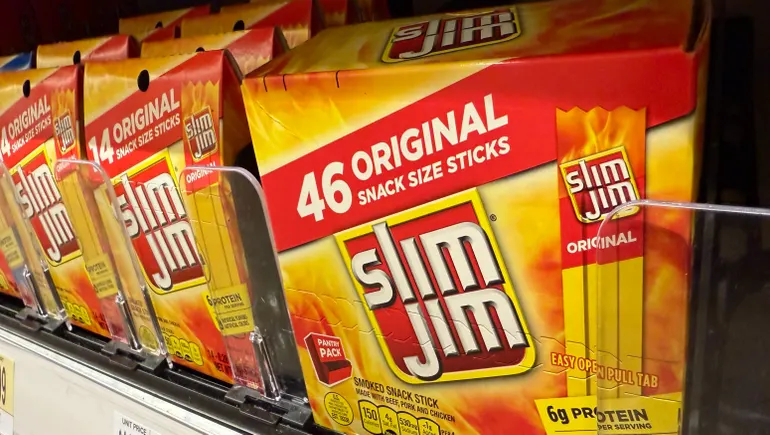
America's meat stick snack market is experiencing explosive growth, with 2024 sales reaching $3.3 billion. Leading company Chomps produces 2 million sticks daily yet still cannot meet demand, while Jack Link's and Archer are expanding production. The industry is attracting more consumers through product innovation, health-oriented transformation, and differentiation strategies, and is expected to continue growing.

Social media has evolved from a marketing option into the core battlefield for consumer packaged goods (CPG) brands. Giants like Unilever allocate half of their advertising budgets to social channels and strengthen their social DNA by acquiring emerging brands such as Dr. Squatch. However, traditional brands still face challenges in organizational processes, risk tolerance, and creative flexibility. This article explores the drivers, strategies, and obstacles of the social-first transformation.