


Latest news
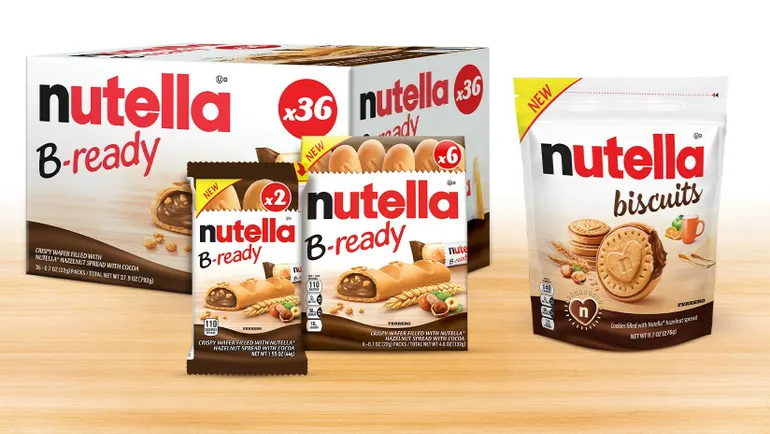
Breakfast foods are breaking through the traditional breakfast period and extending into lunch, dinner, and snack scenarios. Conagra data shows that lunchtime consumption of frozen breakfast foods has grown 18% year-over-year; Ferrero, through portable packaging and new products like ice cream, has increased Nutella brand penetration from 18% to 28%. Industry observers believe this trend is particularly notable among younger consumers and is expected to continue.

A year ago, debate continued over whether GLP-1 drugs would change consumer behavior. Now, early data shows a clear impact: medication users' grocery spending has dropped by approximately 6%, dining-out spending by about 8%, and behavioral changes may persist. Based on insights from PA Consulting experts, this article reviews the accuracy of predictions, analyzes the drivers and risks of the protein boom, and points out that the food industry must shift from "more protein" to "better protein experiences" to adapt to fewer but more discerning eating occasions.
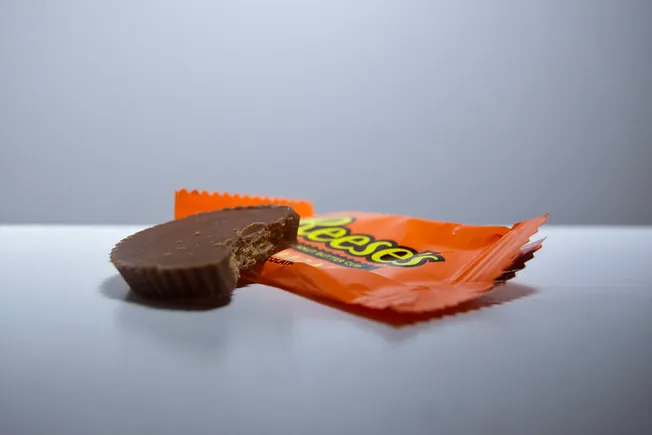
When Reese's Valentine's Day chocolates were accused of 'tasting different,' public opinion blamed corporate greed. However, author Chiara Cecchini points out that this is actually a microcosm of climate change impacting the agricultural supply chain. Cocoa prices have surged 400% in a decade, and droughts in West Africa have led to poor harvests, forcing brands like Hershey to switch to alternative ingredients. From Toblerone to coffee and wine, similar 'silent substitutions' are common. Consumers misread the slow erosion of climate change as brand betrayal, while the real challenge lies in how the food system copes with ingredient instability and rising costs.
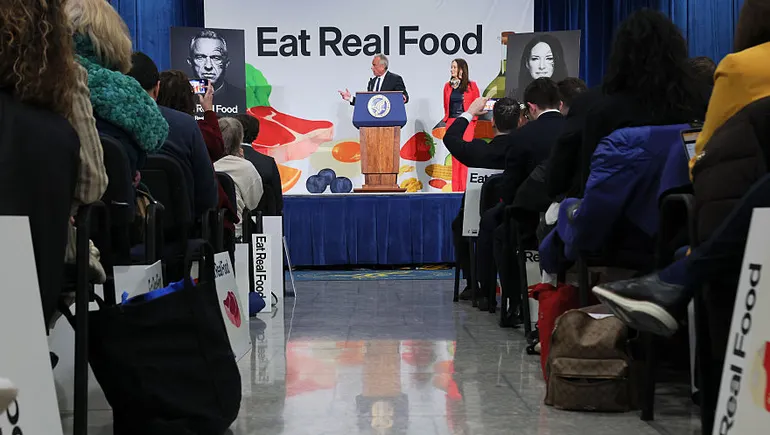
The MAHA movement calls processed foods, food dyes, seed oils, and more 'poison,' but it has not initiated formal regulatory procedures with agencies like the FDA. Instead, it calls for voluntary corporate action or pushes for state-level bans. The author argues that this approach of avoiding the scientific scrutiny and public debate required for federal regulation exposes the fragility of its policy proposals.
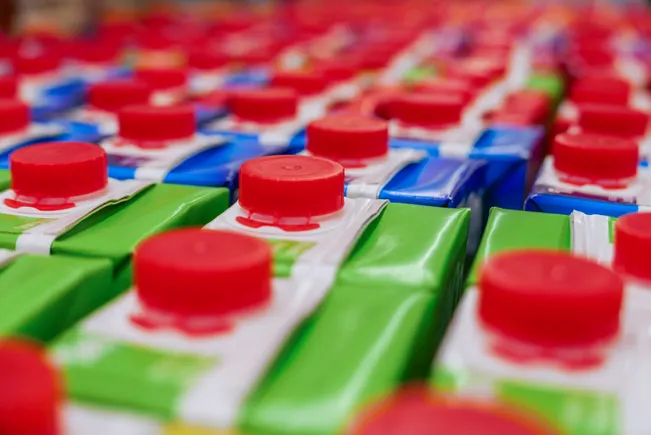
In 2025, from grocery stores to boardrooms, the FMCG industry is experiencing a "perfect storm": price volatility, recurring tariffs, and consumer confidence touching recessionary warning lines. However, consumers are not retreating—they are becoming more vigilant. WovenWorks research shows that over 90% of Gen Z and Gen X are highly attentive to economic and political issues, and 75% of consumers expect tariffs to drive up grocery bills. Consumer behavior is shifting from "economic fatigue" to "economic vigilance": spending has not collapsed but is being restructured—trading down, shifting to value channels, and retaining small indulgences. Packaging has become a strategic lever, and companies need to act quickly in areas such as clearly communicating value, offering affordable pleasure, turning compliance into an advantage, and reassessing materials through the lens of cost and carbon.
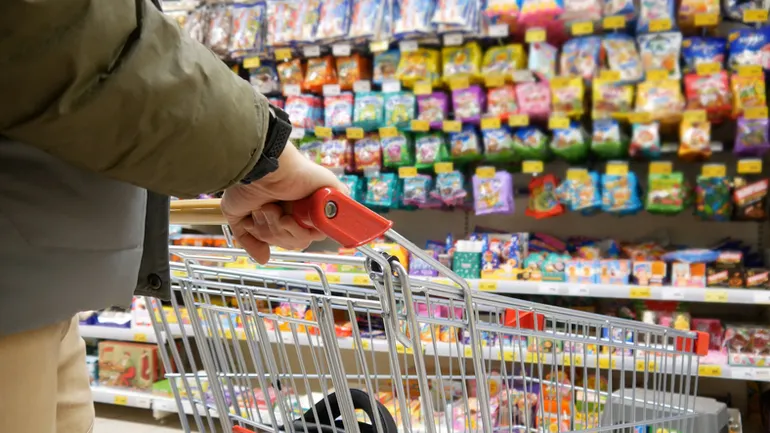
After a difficult year, the food and beverage industry is seeking self-renewal to win back cautious consumers. In 2026, pricing strategies, packaging adjustments, and health ingredient narratives will become competitive focal points.
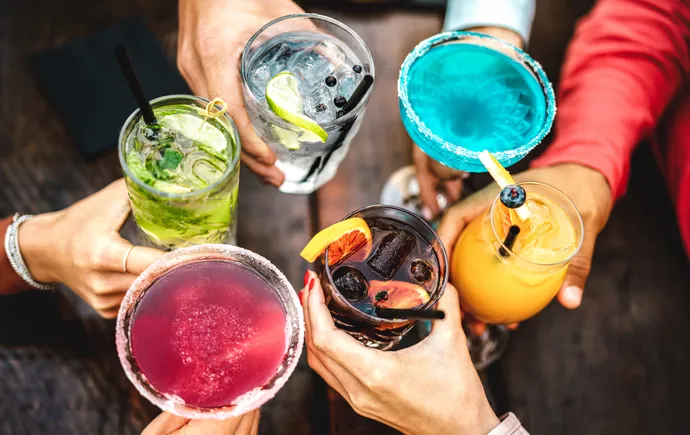
The 2026 food and beverage flavor trends present a coexistence of contradictions: consumers seek both surprise and adventure, as well as nostalgia and comfort. Industry reports show that "sweet and spicy" is evolving into complex layers like "sweet, sour, and spicy," with tropical fruits and forest-inspired flavors on the rise, while "new nostalgia" products have become a strategy for brands to balance innovation and tradition.
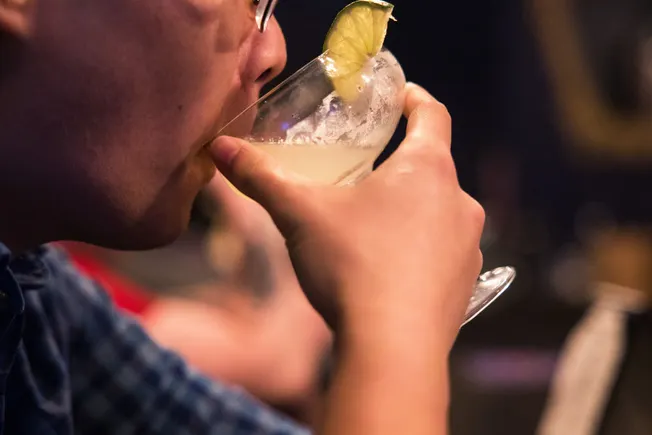
A Curion survey of 1,869 American adults in December 2025 revealed that nearly a quarter of drinkers participate in "Dry January" or "Damp January," but the essence of this phenomenon is not short-term abstinence, but a long-term renegotiation of drinking habits. Consumers increasingly favor moderate drinking over complete abstinence and actively seek non-alcoholic alternatives that preserve ritual and social experiences.

Health and wellness claims have moved from niche to mainstream, with consumers expecting far more from food and beverages than basic nutrition. While the protein market has become saturated, ingredients such as fiber, postbiotics, and adaptogens are rapidly rising, driving the industry toward holistic health. The popularity of GLP-1 drugs and increased focus on emotional well-being have further accelerated this trend.
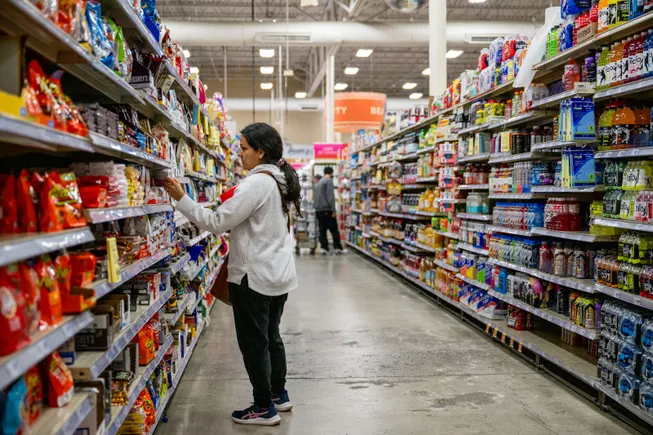
The food industry faces dual challenges in 2026 of rising costs and slowing consumer spending, forcing companies to cut jobs, lower prices, or adjust innovation strategies. Circana has downgraded its growth forecast to 2%-4%, with giants like Nestlé and General Mills taking countermeasures, while niche segments such as Vita Coco still present opportunities.