


Latest news
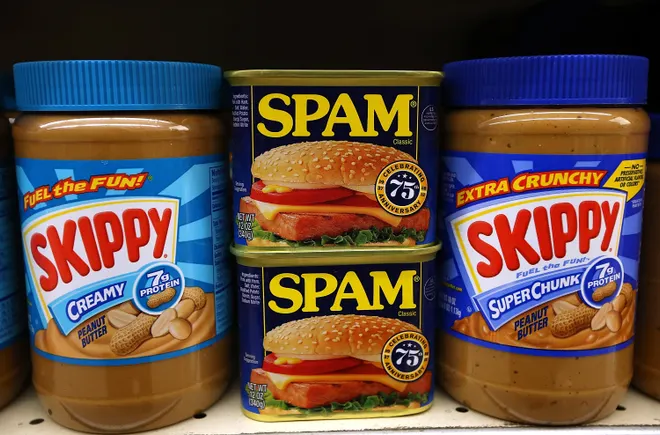
Hormel Foods President John Ghingo said the company's protein-centric brand portfolio shows unique resilience amid weak consumer spending, achieving organic sales growth for six consecutive quarters. Approximately 70% of Americans want to increase dietary protein intake, and the popularity of GLP-1 drugs has further boosted demand. The company is capitalizing on protein growth opportunities across retail and foodservice channels through strategies such as portable packaging, snack-style products, and clear labeling.
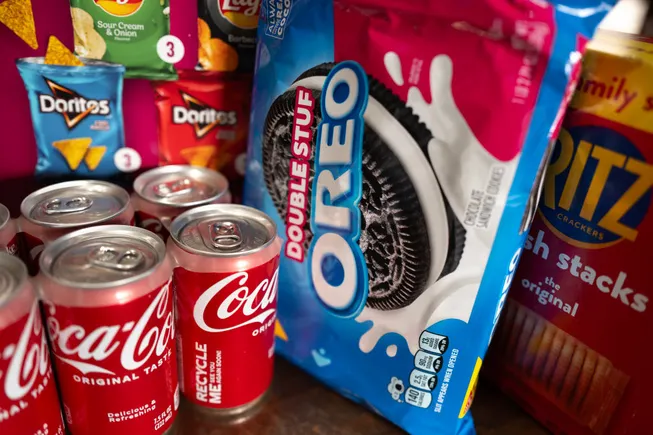
The U.S. District Court for the Eastern District of Pennsylvania permanently dismissed a lawsuit against food giants such as Kraft Heinz and PepsiCo, as plaintiffs failed to prove that ultra-processed foods caused their health issues.

Private equity firm CVC Capital Partners announced the acquisition of Irca, an Italian supplier of dessert and bakery ingredients, with the transaction amount undisclosed and expected to close in the fourth quarter of this year. Under Advent's ownership, Irca's revenue grew from €370 million in 2021 to €1.5 billion (approximately $1.7 billion) today, with operations spanning over 100 countries worldwide. This acquisition marks CVC's second deal in the ingredients industry within a month, following its earlier announcement of a $4.3 billion acquisition of IFF's food ingredients business.
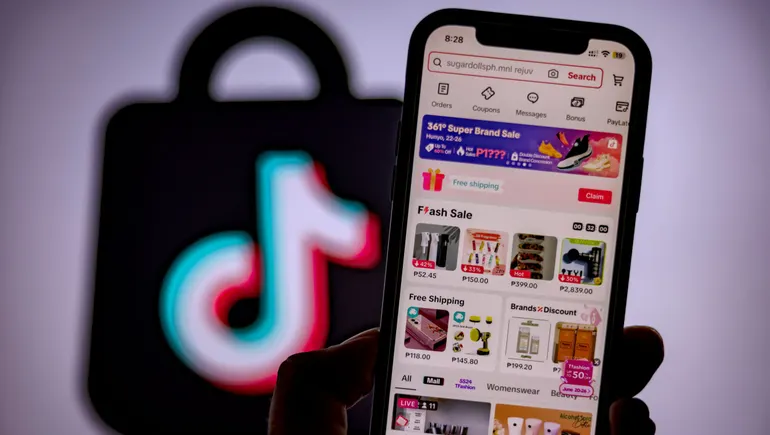
TikTok Shop is becoming a new growth engine for the food and beverage industry, with its food category sales growing over 100% year-over-year. The platform not only provides a sales channel but also shortens the innovation cycle through the 'discovery commerce' model, enabling brands to quickly respond to online trends such as Dubai chocolate and freeze-dried candy. Based on an exclusive interview with Amanda Parker, Head of Food Business at TikTok Shop, this article analyzes how brands can use the platform to achieve a closed loop from content to commerce, and offers operational recommendations.
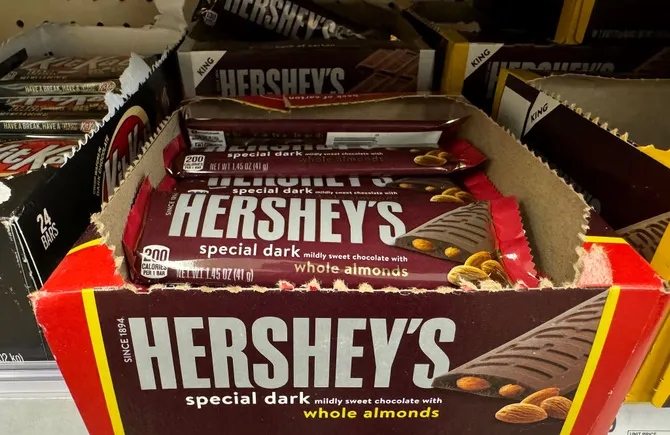
In March of this year, Hershey merged its confectionery, salty snack, and protein product businesses into a unified structure, aiming to strengthen relationships with retailers and consumers. Following the integration, Hershey has driven cross-category sales through a single point of contact, such as pairing Reese's with Dot's Pretzels in displays, achieving a 34% sales increase. Meanwhile, the company is advancing product recipe optimizations, including the return of the classic Reese's formula and a planned Kit Kat improvement by 2027, and has committed to removing artificial colors from its U.S. products by the end of 2027.
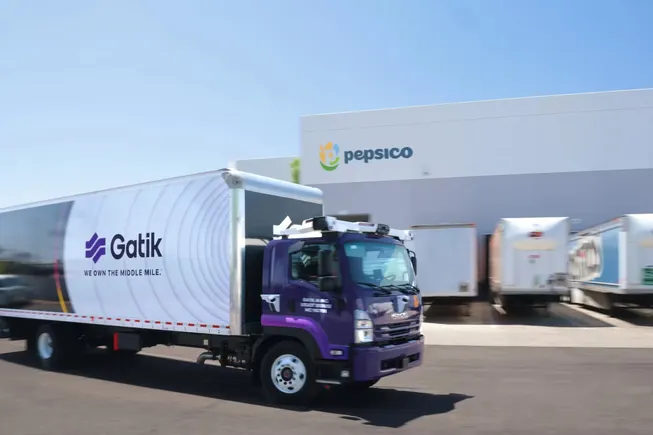
PepsiCo plans to expand the use of autonomous trucks in its North American supply chain through a multi-year partnership with Gatik, currently operating 41 autonomous trucks in Texas, Arizona, and Arkansas, aiming to optimize regional logistics networks and enhance service consistency.
In the second episode of the podcast series "Cold Chain 2026: Evolution Under Pressure," Elliott Wolf, Vice President of Data Science at Lineage, delves into how AI, machine learning, and advanced operating systems enhance cold chain facility performance, from translating real-time visibility into action to increasing automation flexibility, providing insights for food companies selecting technology-driven logistics partners.
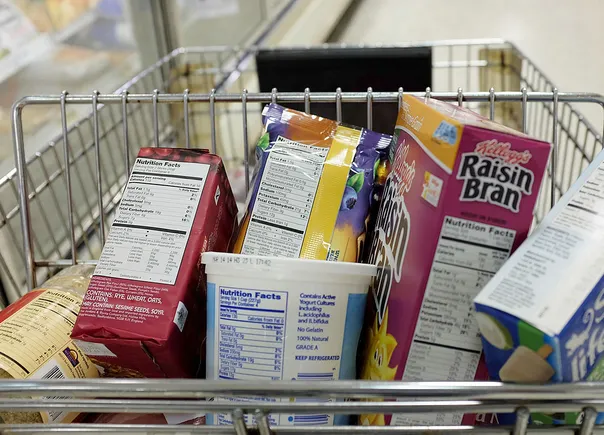
As state and federal levels in the U.S. push for clearer nutritional disclosure and ingredient transparency, the competitive logic for food brands on shelves is shifting from "Do I want it?" to "What can it do for me?" This article analyzes how this regulatory trend accelerates the transformation of traditional packaged foods into function-oriented foods, and points out a new definition of brand leadership—high consistency among product claims, ingredients, and consumer expectations. The rise of high-protein categories such as Greek yogurt provides an example, while vague "healthier" positioning will face greater challenges.
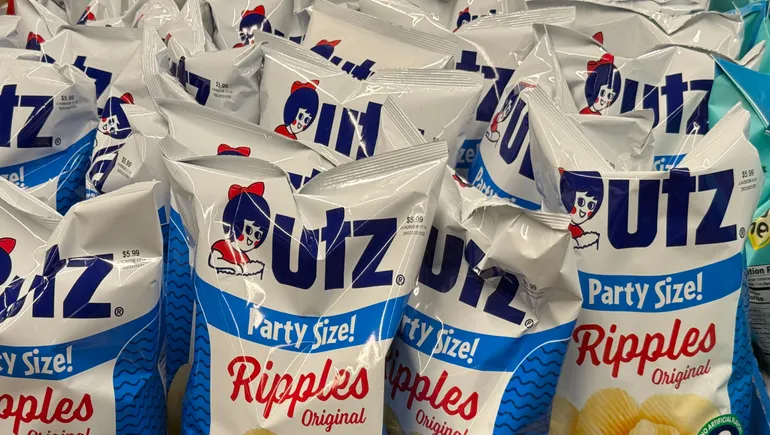
Utz Brands, a 105-year-old family business, has grown from a regional brand on the U.S. East Coast into the largest publicly traded pure-play salty snack company in the country, with annual sales of $1.4 billion. Under the leadership of CEO Howard Friedman, the company is capturing share in the $32 billion salty snack market through supply chain modernization, regional expansion, and product innovation, while carefully navigating competition and shifting consumer trends.
"Cold Chain 2026: Industry Evolution Under Pressure" is a three-part podcast series, grounded in Lineage's 2026 Cold Chain Insights survey, exploring the forces reshaping North American cold chain operations. In the first episode, "Global Trade, Tariffs, and the New Cold Chain Reality," Lineage's Director of Logistics Emma Phillips analyzes tariff-induced sourcing shifts, cold storage push-pull cycles, and tools for companies to stay ahead.