


Latest news
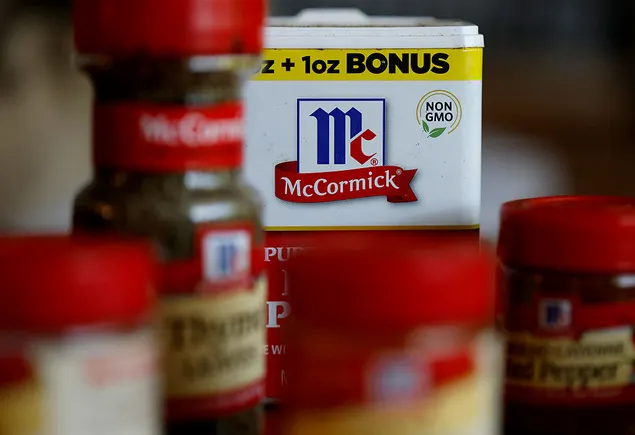
So far in 2026, M&A activity in the food industry has been robust, but mega-deals have been scarce. Companies are focusing on clean labels, high protein, functional ingredients, and snacks. Among them, McCormick's $44.8 billion merger with Unilever's food business, IFF's $4.3 billion sale of its food ingredients division, Ingredion's $3.6 billion acquisition of Tate & Lyle, and Utz's $2.9 billion privatization by a German snack company stand out as landmark deals of the year.
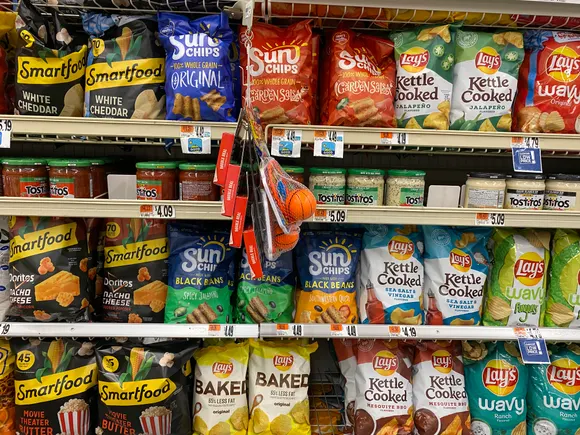
Food e-commerce continues to grow, and DTC (direct-to-consumer) channels are becoming an increasingly important business segment for food giants. Although their revenue is hard to rival traditional retail, DTC provides brands with unique opportunities to test new products, gather feedback, and counter digital-native competitors. Companies like Hershey, PepsiCo, and Beyond Meat have already made moves, and industry data also indicates the potential of this channel.
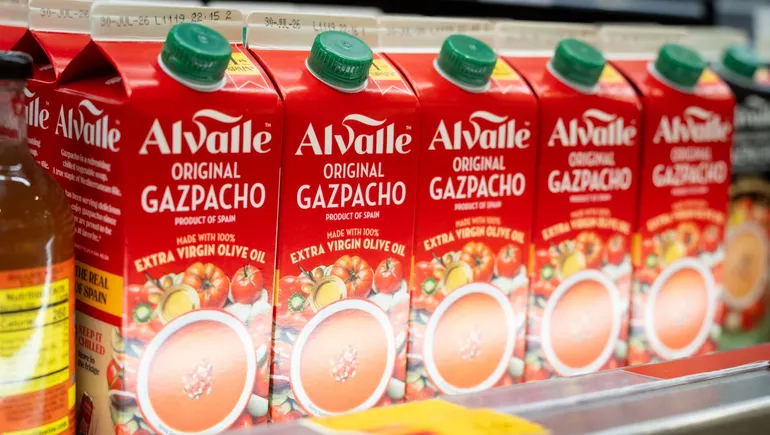
PepsiCo announced it will introduce its Spanish cold soup brand Alvalle to the US, available at select Whole Foods locations. This move aims to meet consumer demand for foods with simple, recognizable ingredients and to expand its presence in the fresh and refrigerated category.
In its latest earnings report, Tyson Foods lowered its full-year profit guidance and acknowledged that high beef prices are unlikely to fall in the short term. The beef division posted an operating loss of $138 million in the third quarter, with sales volume down 15.9% but prices up 12.1%. Despite plant closures and network optimization, industry challenges remain severe. The lifting of the ban on live cattle imports from Mexico may bring improvements after 2027, but it cannot resolve the current shortfall entirely.
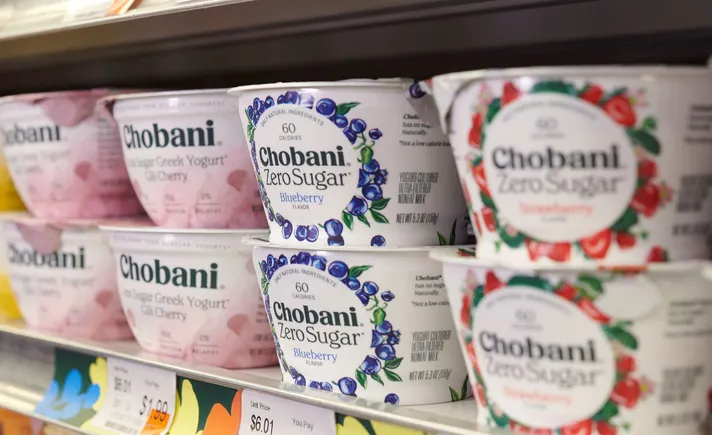
The U.S. Seventh Circuit Court of Appeals reversed the district court's dismissal and revived a class action lawsuit over Chobani's 'Zero Sugar' yogurt label. The FDA clarified in an amicus brief that allulose falls within the statutory definition of sugar, and its 2020 enforcement guidance does not constitute an exemption for companies. The case will proceed to the discovery phase.
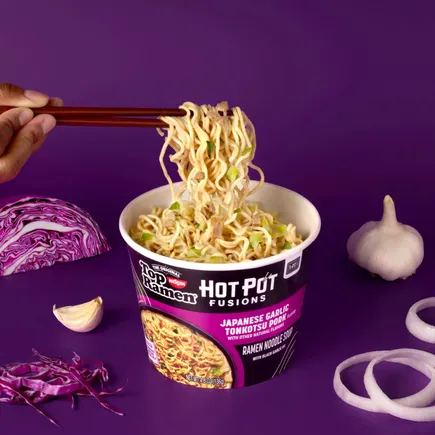
Nissin Foods announced the adoption of Blue Yonder's AI-driven supply-demand planning tool, aimed at improving inventory management, enhancing forecast precision, and cutting costs. This initiative is part of the company's broader digital transformation strategy and is expected to strengthen customer collaboration capabilities.
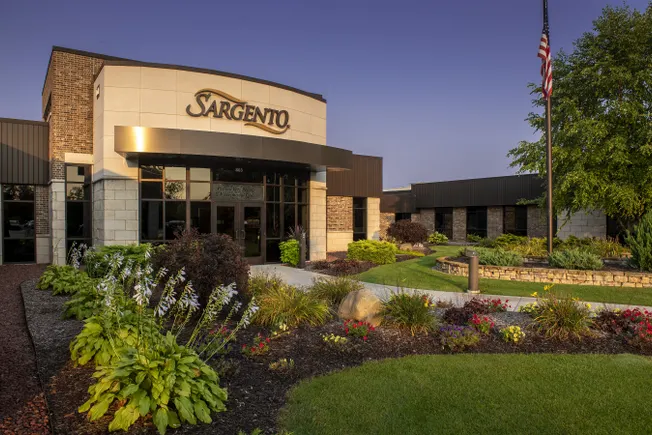
Sargento Foods will acquire La Terra Fina, known for its premium dips, spreads, and quiches. The deal is expected to close in September, with the amount undisclosed. Through this acquisition, Sargento enters the deli aisle for the first time and strengthens its "real food" positioning to address consumer demand for snackification and high-protein, minimally processed foods.
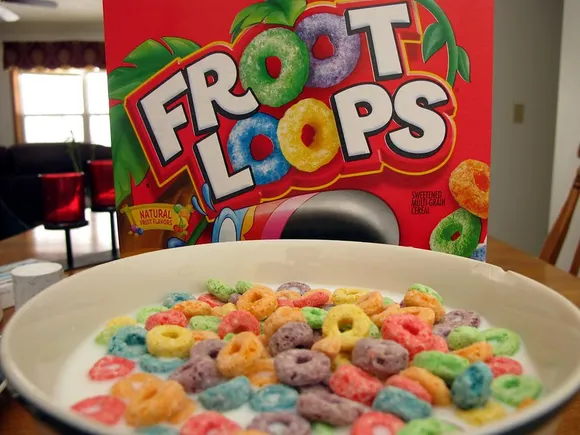
Facing sustained pressure in center store sales and shifting consumer breakfast habits, WK Kellogg announced the reintroduction of in-box toys in Frosted Flakes and Froot Loops, featuring Toy Story 5-themed playable spoons. Industry analysts note that this move targets millennial and Gen X parents rather than children themselves. Brand strategists believe that physical toys can convey authenticity and nostalgic value amid digital fatigue, but without quality and meaning, they may also backfire on brand trust.
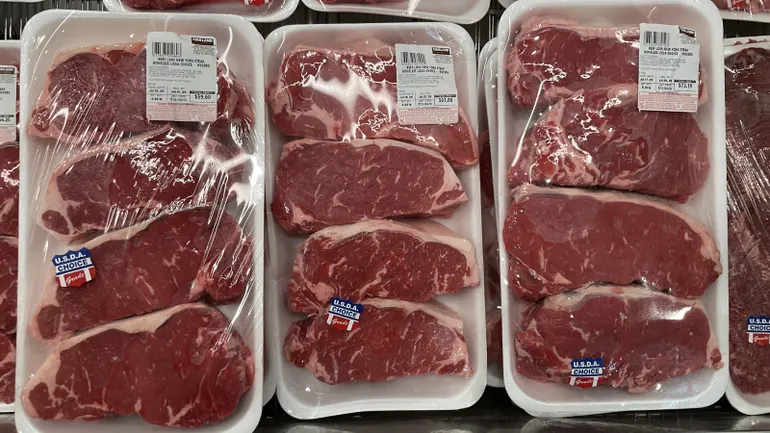
Latest data shows that in June, the volume of fresh and processed meat purchased by U.S. consumers was lower than the same period last year, with processed meats seeing a notable decline. Despite lower sales volumes, meat sales revenue increased slightly due to higher prices. Beef and beef product prices rose nearly 12% year-over-year, driving consumers toward alternative proteins such as chicken and turkey.
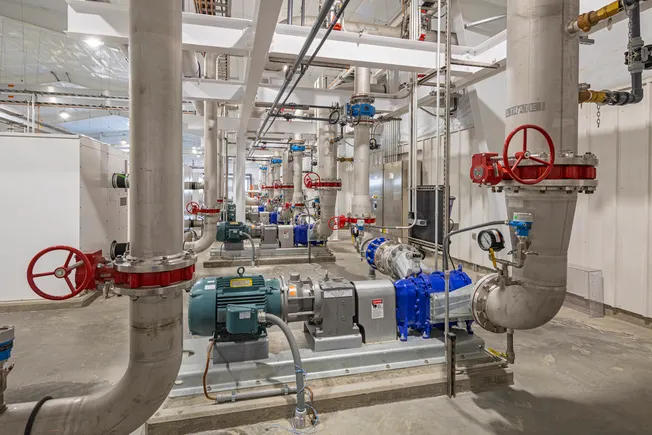
For a growing number of beverage manufacturers, it is no longer market demand but water resources that limit output. This article analyzes how water reuse shifts from a sustainability measure to a growth strategy, and explores three key factors: water as a strategic production asset, food safety as a priority, and reuse planning that starts with business strategy rather than treatment technology. The article also mentions the Water Reuse Action Plan 2.0 (WRAP 2.0) released by the U.S. EPA on April 16, 2026.