


Policy
For Producers, for the Planet: Why Farmland Protection Is Indispensable
Although farmland protection practices hold long-term ecological value, they are often deprioritized by producers without economic incentives. The article outlines the specific benefits of regenerative agriculture in carbon sequestration, water quality, and biodiversity, and emphasizes that through supply chain collaboration and incentives, the large-scale adoption of conservation tillage can be accelerated.
From the shirt on your back to the food in your refrigerator, nearly every aspect of daily life originates from agriculture. The cotton or wool in your clothing is grown or raised by farmers; whether vegetarian or meat-based, every meal you eat is carefully tended by farmers or ranchers. If you drive a gasoline or hybrid vehicle, you also have farmers to thank—the ethanol in gasoline is typically derived from corn, blended into standard gasoline to increase octane and oxygen content, thereby reducing emissions.
While bearing the responsibility of providing the nation with food and fuel, farmers and ranchers must also manage their land properly to ensure it remains suitable for crop or livestock production. This is fundamental—if conservation practices lack economic viability, even with long-term benefits, they are often deprioritized. To encourage environmental stewardship on farms and ranches, it must be economically sustainable and supported by partners and incentives across all segments of the supply chain.
What does it mean to be an environmental steward on working lands? Conservation practices on farms and ranches across the country take various forms, but the core is consistent: using conservation techniques to reduce inputs, protect natural resources, or promote soil health through regenerative or climate-smart practices.
Regenerative practices have been applied to American agriculture since Indigenous peoples introduced agrarian lifestyles thousands of years ago. Indigenous peoples employed agricultural management methods that emphasized harnessing natural forces. Despite regenerative agriculture's long history in the United States, its adoption rate lags. This comes back to the fundamental issue for farmers and ranchers—economic considerations always precede environmental stewardship. But what if farmers and ranchers were incentivized for adopting key conservation practices that promote soil health and other ecosystem services?
The following details these environmental benefits.
Greenhouse Gas Reduction and Air Quality
- Practices such as reduced tillage, cover crops, and rotational grazing help increase soil organic matter, thereby sequestering carbon from the atmosphere and improving soil structure.
- By increasing organic matter content, regenerative agriculture transforms soil into a carbon sink, storing carbon that would otherwise remain in the atmosphere.
- Reduced agricultural greenhouse gas emissions can decrease the need for synthetic fertilizers and fuel for tillage.
Improved Water Quality
- Healthier soil with more organic matter can produce multiple ecosystem services, such as:
- Increased organic matter means improved water retention, making land more drought-resistant.
- Increased organic matter improves infiltration rates, helping to reduce flooding.
- Improved water retention and infiltration can reduce runoff, thereby protecting waterways.
- Keeping soil covered and undisturbed reduces wind and water erosion, protecting topsoil, preventing pollution, and reducing runoff.
Biodiversity
- A focus on crop rotation, cover crops, and diversified plantings can create more diverse habitats for beneficial insects, birds, and other wildlife above and below ground.
- Healthy ecosystems can reduce pest pressure, thereby decreasing reliance on synthetic pesticides and fertilizers, benefiting water quality and wildlife.
By strengthening soil, key conservation practices can enhance resilience to climate events such as drought and flooding. Unlike conventional agricultural practices (such as intensive tillage and overgrazing) that often lead to natural resource degradation, regenerative techniques emphasize the following:
- Cover Crops: Planting vegetation between cash crops to cover and protect the soil, enriching it.
- Rotational Grazing: Moving livestock between small pasture areas, allowing plants to rest and regenerate between grazing periods, improving soil, plant, and animal health.
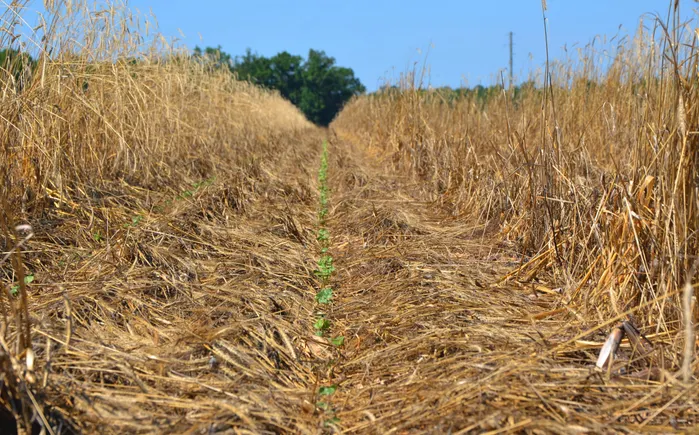
- Minimum Tillage: A soil conservation method that plants crops by disturbing the soil as little as possible, preserving soil structure.
By working in harmony with nature, agricultural producers can not only reduce environmental impact but also promote ecosystem regeneration, building a more resilient and robust food system.
Building a More Resilient Future
Facing the complex challenges of the 21st century, farmland conservation offers hope. It harmonizes the needs of people and the planet, creating an agricultural system that is not only resilient and sustainable but also equitable and restorative. The more we support farmers and ranchers who implement voluntary conservation practices, the faster we can accelerate the scaled adoption of conservation practices on farmland nationwide.
RIPE aims to scale conservation on U.S. farmland. By reducing barriers to implementing conservation practices (such as upfront costs or time-consuming data requirements), we can support farmers and ranchers in becoming effective environmental stewards while providing food and fuel for the population. Learn moreabout RIPE's mission, and how you can help support it.