


Deep Dive
来自我们记者的行业洞察
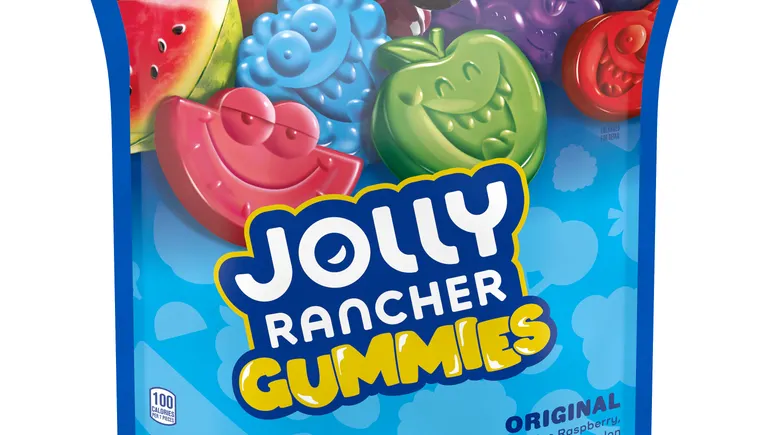
Candy giants double down on the gummy track: strong growth momentum, category innovation becomes key
The gummy category is becoming a growth engine that candy giants are vying to deploy. Companies such as Hershey, Mars Wrigley, and Ferrara are driving the continued expansion of the gummy market through capacity expansion, brand collaborations, and flavor innovation. However, some industry insiders also caution that the gummy craze may carry cyclical risks.
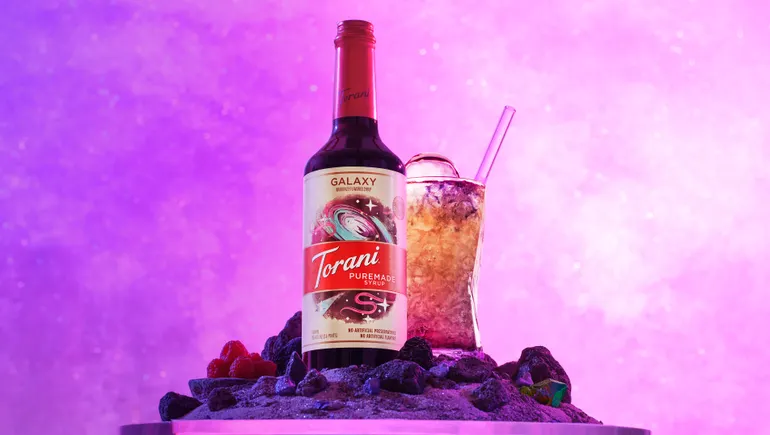
Torani, an established player in the syrup category, is developing new flavors by observing Generation Z's trend of making beverages at home, combined with social media hotspots, changes in foodservice channels, and astronomical events. Its 'Galaxy' syrup launched in 2024 was inspired by a solar eclipse, while annual flavors such as salted egg yolk and roasted black sesame cater to young consumers' preference for 'shareable' experiences. The company's annual revenue surpassed $500 million for the first time, and it is optimistic about growth in energy drinks and functional beverages.
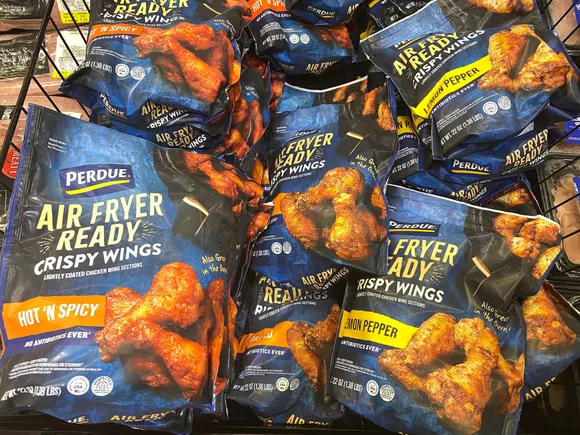
Air fryers have become the fourth most commonly used cooking appliance in American households, with an adoption rate of about two-thirds. Nestle has removed metal crisping sleeves from some Hot Pocket products, while Conagra and others have launched products specifically designed for air fryers, as the industry moves from watching to accelerating deployment.
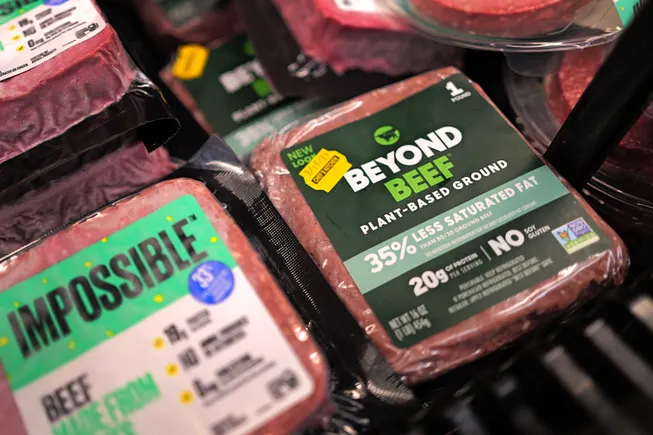
Plant-based meat giants Impossible Foods and Beyond Meat use sustainability as a core selling point, but their commissioned life cycle assessments (LCAs) have been questioned by experts due to a lack of independent verification and ingredient traceability information. Research shows these assessments may overlook indirect emissions from ingredients such as soy and cocoa butter, and industry-funded studies are difficult to replicate. Experts urge brands to disclose transparent data and have assessments conducted by independent institutions.
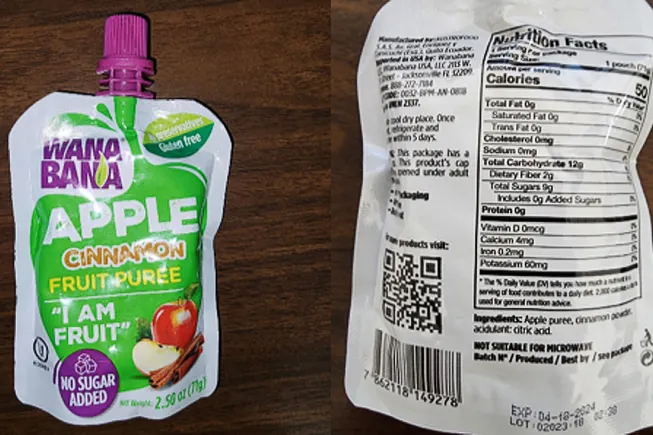
Last fall, children in multiple U.S. states developed lead poisoning symptoms after consuming applesauce from brands like WanaBana. FDA investigation found the contamination source to be Ecuadorian cinnamon processor Carlos Aguilera, whose supplied cinnamon was contaminated with lead during processing. The incident has resulted in 422 poisoning cases and highlighted limitations in FDA oversight of overseas suppliers.
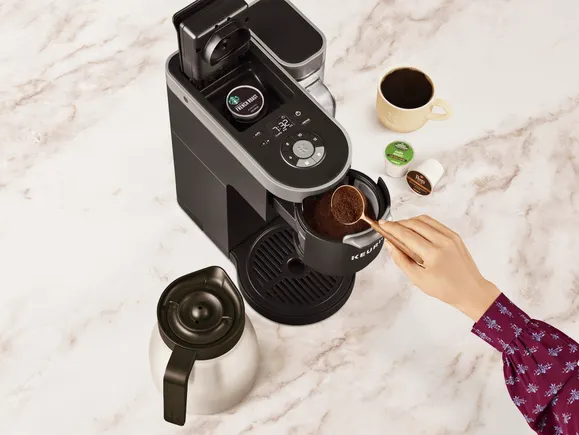
Keurig started with single-cup coffee systems and now continues to grow in the competitive coffee market through innovations in cold drinks and smart technology, but faces challenges such as weak demand.
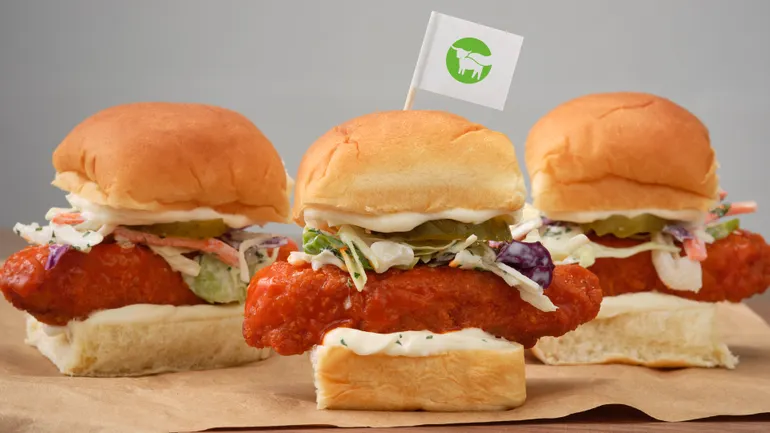
In 2023, the plant-based meat industry experienced a significant sales slowdown, with many companies scaling back innovation or laying off staff. Entering 2024, industry leaders such as Beyond Meat and Impossible Foods are seeking growth through internal adjustments and communication strategy reshaping, while emerging brand Meati Foods attempts differentiated positioning. Analysts point out that the core challenge facing the industry lies in how to win back consumers through inclusive messaging, taste-first strategies, and clear brand narratives.

With growing health awareness, younger American consumers are drinking less, prompting major alcohol companies and emerging brands to accelerate their focus on non-alcoholic and low-alcohol products. In 2024, the beer and wine markets face declines, spirits shift toward premiumization, and non-alcoholic beverages are seen as the industry's biggest disruptive force.
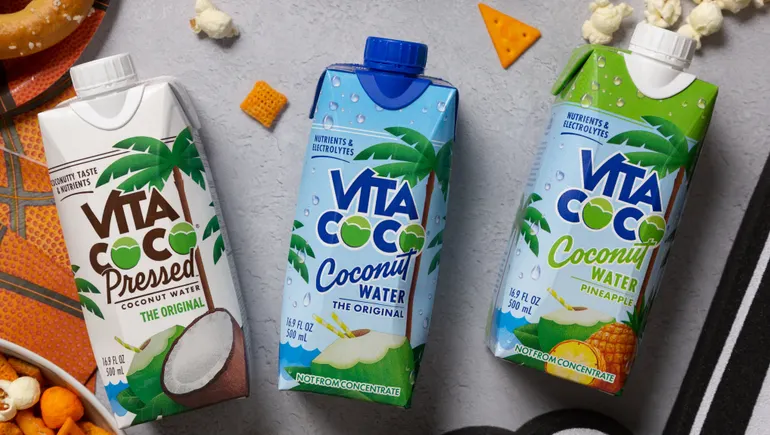
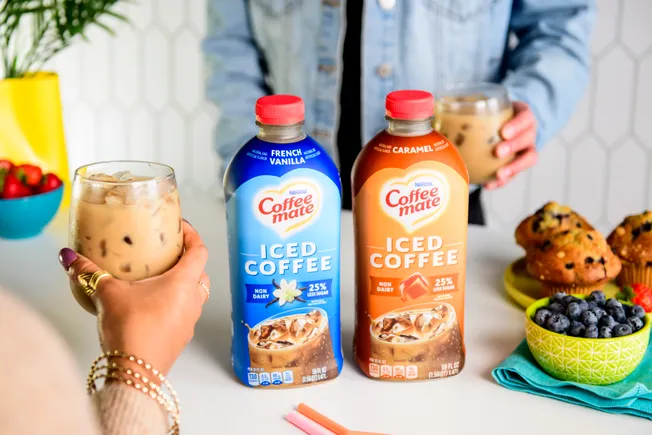
In 2024, large food and beverage manufacturers face challenges such as inflation and consumer fatigue, making innovation key to attracting and retaining consumers. However, the industry's conservative culture, cost pressures, and risk-averse attitudes hinder the pace of innovation. Experts point out that areas such as healthy snacks and convenience foods have great innovation potential, and some companies like Nestlé, Hershey, and Mars have already accelerated their innovation efforts.